

Haivision bets “perfect sync” becomes table stakes for REMI
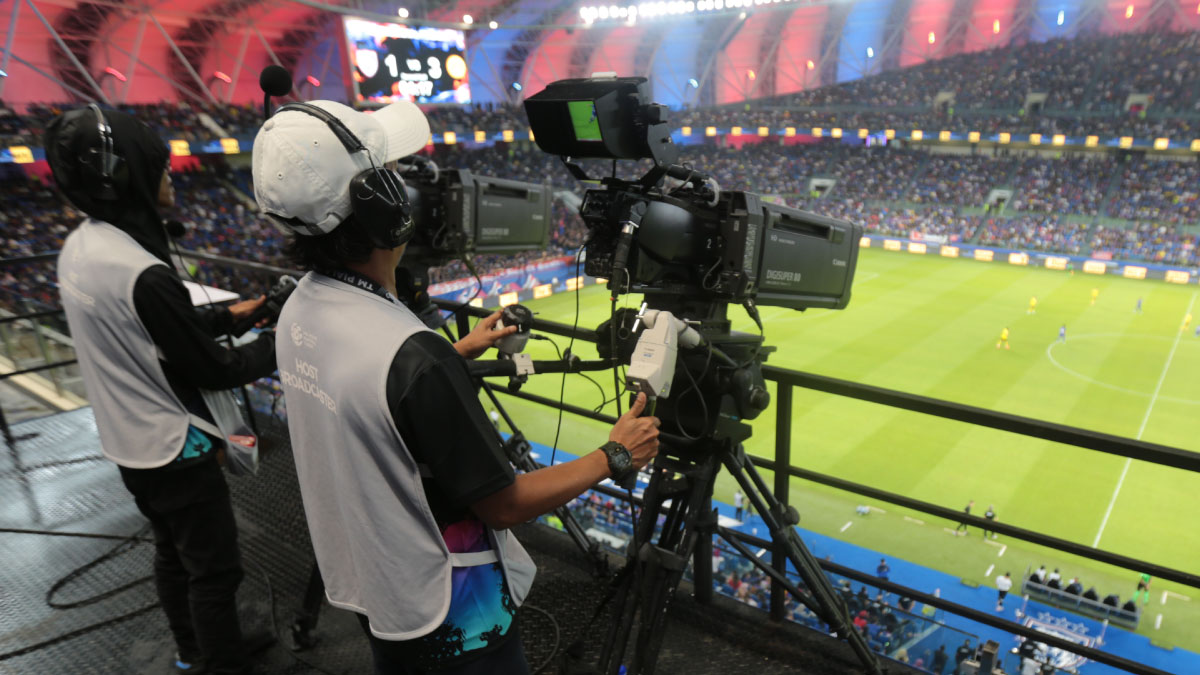
Haivision describes audio-video synchronization and multi-camera stream synchronization capabilities for live and remote production workflows, claiming lip-sync accuracy under 5ms even across long sessions and brief interruptions such as source switching or network outages. The company says its Makito encoder/decoder and Haivision mobile transmitter products can maintain aligned multi-camera contributions over SRT or bonded cellular using SST, supporting outputs to SDI, ST 2110, and cloud-based production workflows.
Key Takeaways
- Haivision claims lip-sync precision under 5ms, sustained over long sessions and brief outages/source switches
- Makito X4 multi-camera stream sync aligns multiple SRT feeds using buffering + embedded timecode before decode/playout
- Over bonded cellular, Haivision says SST syncs transmitters to the StreamHub receiver reference clock for consistent timestamps
- Positioned for REMI and remote contribution where clean camera switching depends on tight inter-stream timing
- Outputs target both legacy and IP/cloud stacks: SDI, SMPTE ST 2110, and cloud production workflows
Why It Matters
Sync is quietly becoming the hidden tax on distributed production: the more you rely on public internet, bonded cellular, and multi-site crews, the more “almost aligned” turns into visible (and brand-damaging) slop during cuts. If Haivision’s sub‑5ms claims hold in the field, it reduces the need for external frame-sync gear and de-risks REMI workflows—especially for sports and news where switching speed is everything. The bigger meme: reliability is moving up the stack, from dedicated circuits and baseband hardware into encoder/transmitter software—and vendors that can guarantee timing will win the next wave of cloud-native production.
Read full article at haivision.com