

BBC’s charter limbo may end—if commissioning devolves
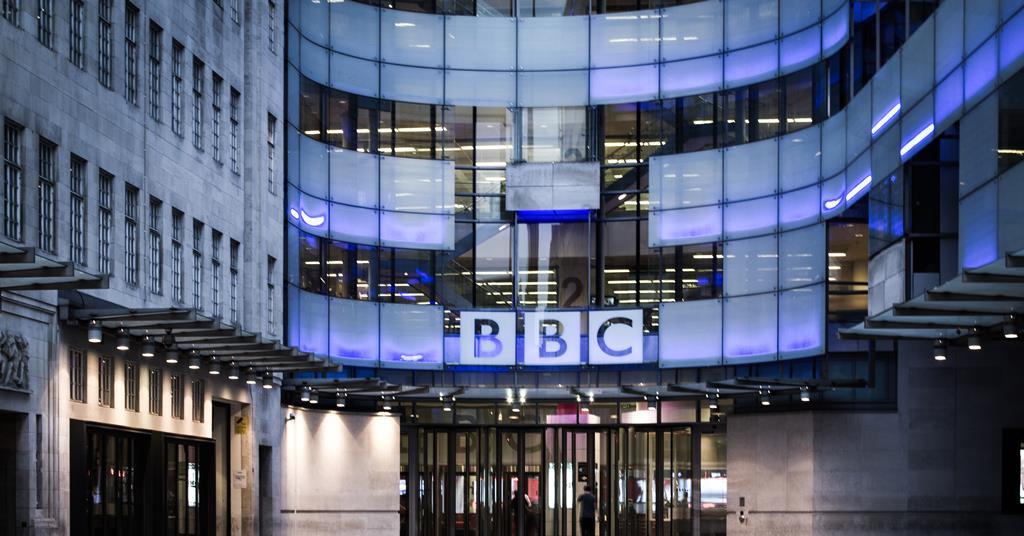
The article reports that UK politician Lisa Nandy has indicated a willingness to end the BBC’s 10-year charter renewal process in favor of a permanent charter. In exchange, the proposal would involve granting more devolved commissioning power.
Key Takeaways
- Proposal would replace the BBC’s recurring 10-year charter renewal with a permanent charter.
- Lisa Nandy indicated the change would come with greater devolved commissioning authority.
- A permanent charter would reduce recurring political and regulatory uncertainty around the BBC’s mandate.
- Devolved commissioning could redirect budgets, greenlight decisions, and editorial influence toward regional bodies.
- Any shift in BBC commissioning patterns could ripple through the UK production market and rights negotiations.
Why It Matters
For streamers, broadcasters, and producers, the BBC’s charter cycle is a predictable source of policy risk that affects long-term commissioning, talent deals, and technology investment. A permanent charter could stabilize planning horizons—while devolved commissioning pushes the BBC toward a more federated content model, potentially boosting regional pipelines and changing national “tentpole” priorities. The broader meme: governance is becoming product strategy. As platforms fragment and audiences regionalize, regulators are nudging public media toward local accountability—an approach that could influence how other publicly backed broadcasters justify spend, reach, and relevance in the streaming era.
Read full article at broadcastnow.co.uk