

Broadcom Introduces 50G PON, Wi-Fi 8, and Edge AI for Smart Homes, Enterprises
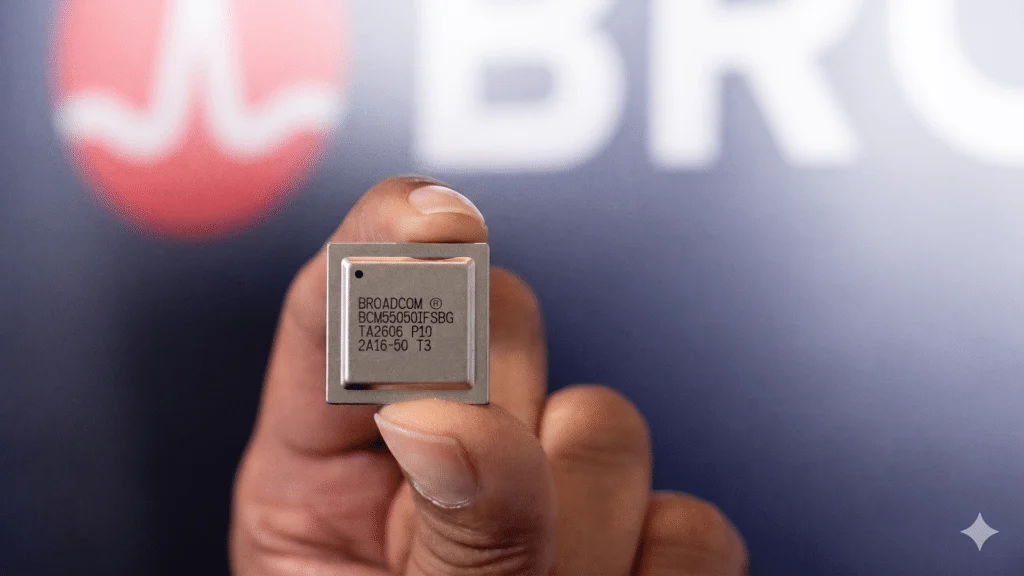
Broadcom showcased a new broadband Edge AI portfolio at COMPUTEX 2026, featuring the BCM68850 50G PON gateway SoC and a new Wi-Fi 8 SoC family. These products integrate 50G fiber, Wi-Fi 8, and AI acceleration to enable high-performance, low-latency connectivity and localized processing for next-generation AI applications in smart homes and enterprises. The portfolio is designed to position residential gateways as central to distributed AI fabrics, emphasizing deterministic connectivity and on-device AI processing through seeded NPUs.
Key Takeaways
- Broadcom's BCM68850 is the first 50G ITU-PON home gateway SoC, featuring symmetric 50G throughput and an integrated NPU.
- The new BCM677x family includes the first fully integrated Wi-Fi 8 SoCs (BCM6772, BCM6774, BCM6776) for various router and mesh configurations.
- The portfolio embeds modest NPUs across gateways, routers, and set-top boxes, treating these as nodes in a distributed AI fabric.
- A Samsung partnership for a fixed wireless access platform combines Broadcom's Wi-Fi 8 with Samsung's B1320 5G modem.
- Broadcom claims a 5x latency improvement at 50G over 10G for AI synchronization traffic, critical for conversational AI needing under 80ms end-to-end latency.
Why It Matters
Broadcom is laying the groundwork for future AI workloads by introducing 50G PON and Wi-Fi 8 with integrated NPUs, setting a new standard for connectivity and localized processing. This move positions residential gateways, extenders, and set-top boxes as aggregated, always-on compute resources for distributed AI, addressing the anticipated surge in edge network traffic (projected 63% increase by Cisco for AI inference). The emphasis on deterministic, low-latency connectivity suggests that networking, not just compute, will be a primary constraint for next-gen AI applications. StreamingMeme readers should watch for how service providers utilize these seeded NPUs—initially for network management, then potentially for new revenue-generating consumer edge AI use cases—and the pace at which these capabilities transition from roadmap concepts to widely adopted, usable resources in the coming year.
Read full article at futurumgroup.com