

Broadpeak CEO: Live Sport Scaling, Piracy, Ad Revenue Drive Streaming Innovation
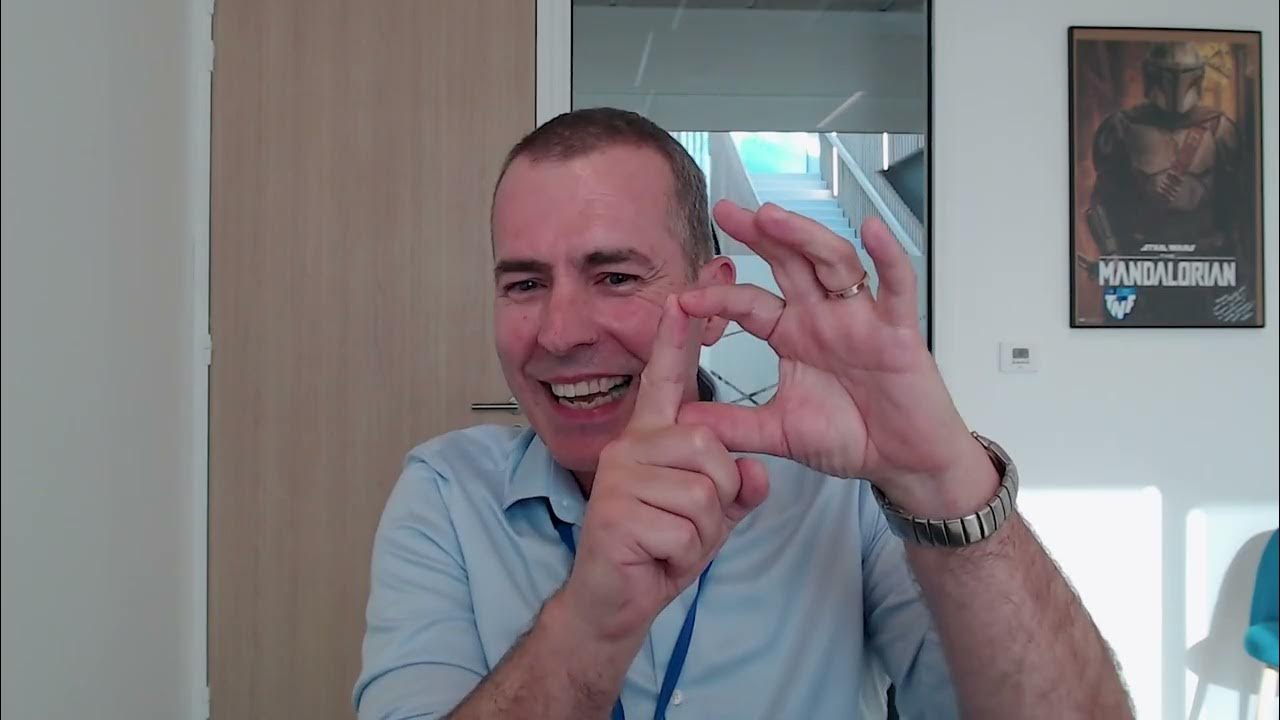
Broadpeak CEO Jacques Le Mancq discusses the evolution of the streaming industry, highlighting challenges in scaling live sports delivery and addressing piracy through technical solutions like multicast ABR and real-time fraud detection. He cites JioStar's 72 million concurrent viewers for IPL as an example of extreme scale and emphasizes the growing importance of ultra-low latency for live content and integrating digital advertising revenue. The conversation also touches on Broadpeak's role in providing software for transcoding, packaging, delivery, and advertising to major telecom operators and streaming platforms.
Key Takeaways
- JioStar achieved 72 million concurrent viewers for IPL, generating 120 terabits at peak, setting a new benchmark for live streaming scale.
- Broadpeak utilizes multicast ABR technology to manage traffic peaks and offer density for large-scale live events.
- Real-time token sharing detection allows Broadpeak to combat piracy by cutting service or delivering educational messages to illicit users within seconds.
- The push for ultra-low latency, exemplified by MediaOverQUIC, is becoming a critical competitive factor for live content delivery, especially with instant messaging.
- Digital advertising offers significant revenue potential for connected TVs, with YouTube's $50 billion ad revenue serving as an example.
Why It Matters
The streaming industry continues to grapple with the core challenges of delivering massive live audiences, preventing content piracy, and effectively monetizing through advertising. Broadpeak's solutions, such as multicast ABR and real-time fraud detection, offer specific technical pathways to address these issues, crucial for platforms handling high-value live sports. The increasing focus on ultra-low latency delivery introduces a new battleground for user experience and competitive differentiation. What to watch next is how quickly these low-latency solutions are adopted, especially by top-tier live sports broadcasters facing global event synchronization and spoiler risk.
Read full article at youtube.com