

CanCon on the Table: Canada's Streaming Rules Face Trade Pressure
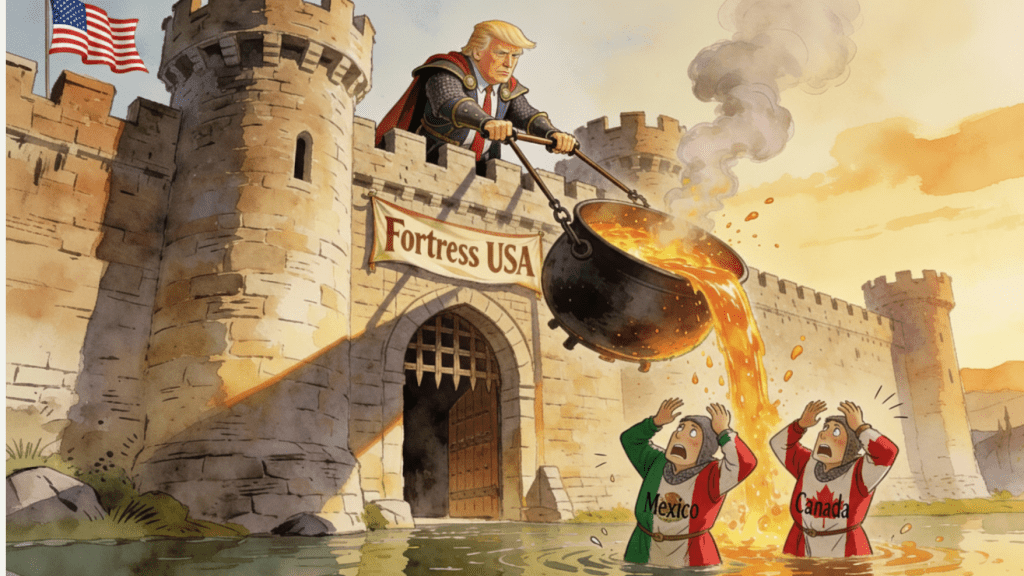
The article discusses Canadian Heritage Minister Marc Miller’s more flexible stance toward U.S. demands in upcoming trade talks, including potential changes to Canada’s Online Streaming Act and Online News Act, while maintaining some non-negotiable cultural policy lines. It also outlines the federal government’s evolving approach to online harms legislation—covering social platforms and AI chatbots—and the political hurdles of passing such regulations in a minority Parliament.
Key Takeaways
- Miller publicly opened the door to modifying or repealing the Online Streaming Act and Online News Act under trade pressure, though some cultural protections remain off-limits.
- Online harms policy is being reframed to include AI chatbots and platform design, not just content moderation; simple age bans are unlikely to be the final approach.
- Political reality matters: a minority Parliament and the NDP’s reduced role mean the Liberals will likely need Bloc support to pass complex digital rules.
- Outcome uncertainty raises regulatory and commercial risk for platforms, creators, and distributors — compliance roadmaps and licensing deals should be stress‑tested across multiple scenarios.
Why It Matters
Streaming businesses, investors, and policy teams should treat this as a pivotal moment: trade negotiations could strip back Canadian platform obligations that currently redirect revenue and visibility toward local creators, materially altering the economics of commissioning and licensing in Canada. Simultaneously, an expanded online‑harms regime that includes AI chatbots would force product and content safety changes across platforms. The political impasse in a minority Parliament means prolonged uncertainty — a costly environment for content deals and tech investments — and positions Canada as a potential bellwether for how trade pressure reshapes national digital cultural policy globally.
Read full article at mediapolicy.ca