

Comcast’s Edge GPUs Aim to Make Ads (and Gaming) Real-Time
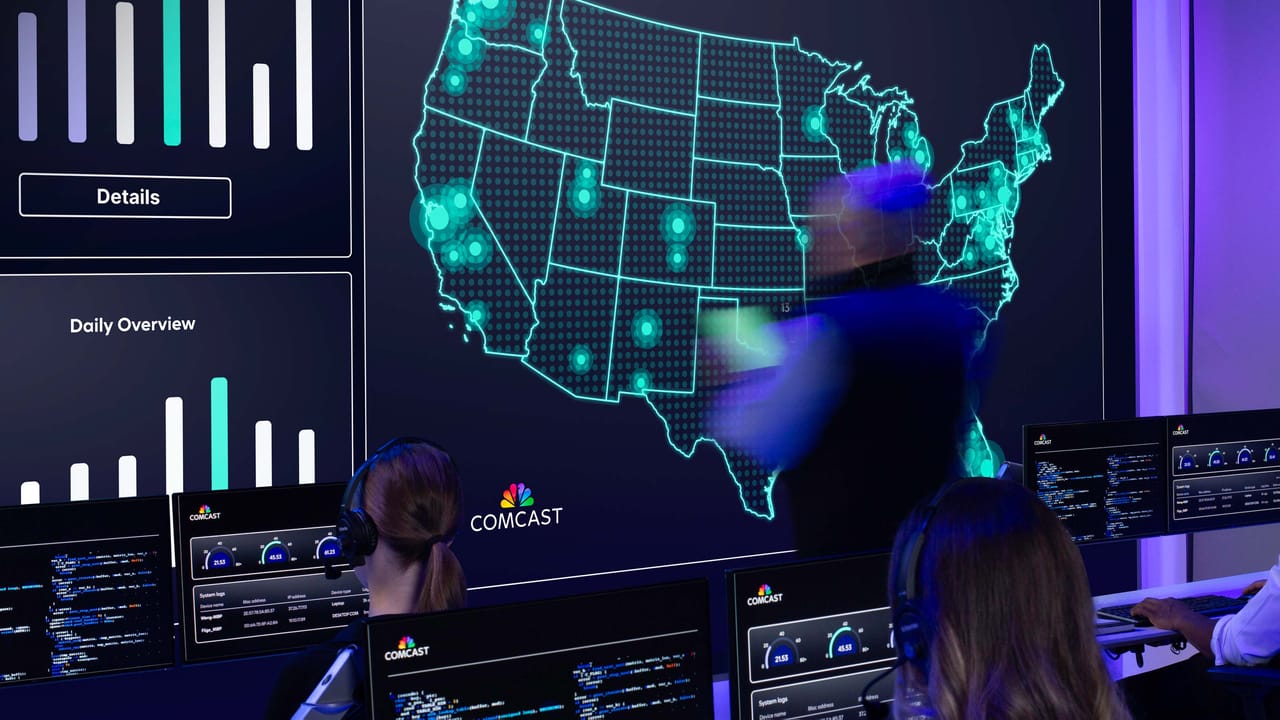
Comcast is running lab and field trials of an Nvidia GPU-powered, low-latency edge compute platform across a subset of its roughly 200 edge locations, with potential for broader commercial deployment depending on trial results. Initial use cases include an AI-driven ad-delivery engine using Decart real-time AI video models to customize ads at the household level, alongside latency-focused applications such as gaming; Charter announced a similar Nvidia edge GPU initiative. The effort is positioned as part of Comcast’s broader network virtualization and DOCSIS 4.0/FDX roadmap, while analysts note developer adoption and overall edge-compute market clarity remain uncertain versus public cloud platforms.
Key Takeaways
- Comcast is running Nvidia GPU edge trials (lab + multi-city field) and says commercial expansion will depend on performance results.
- Initial use cases include AI-generated/optimized ad delivery personalized at the household level using Decart real-time AI video models.
- Latency is the second pillar: Comcast is extending its low-latency posture for gaming and other responsive apps at the network edge.
- The project is tightly linked to Comcast’s network modernization (vCMTS, DAA, DOCSIS 4.0 Full Duplex, “smart” amps/nodes).
- Charter’s parallel Nvidia edge initiative raises the competitive stakes—but developer adoption vs AWS/Azure/Google Cloud remains the big unknown.
Why It Matters
This is cable’s bid to turn “last-mile advantage” into an AI monetization layer: if ads can be rendered/assembled at the edge with low latency, operators can sell premium targeting and creative iteration without round-tripping to the cloud. The meme to watch is “GPU inside the access network” as a new CDN-adtech hybrid—where compute placement becomes a product knob alongside bitrate and latency. But the business case hinges on two hard parts: convincing developers to build for fragmented operator edges, and proving that edge inference materially beats cloud economics for mainstream video workflows.
Read full article at lightreading.com