

Comcast scales DOCSIS 4.0—and bakes AI into the plant
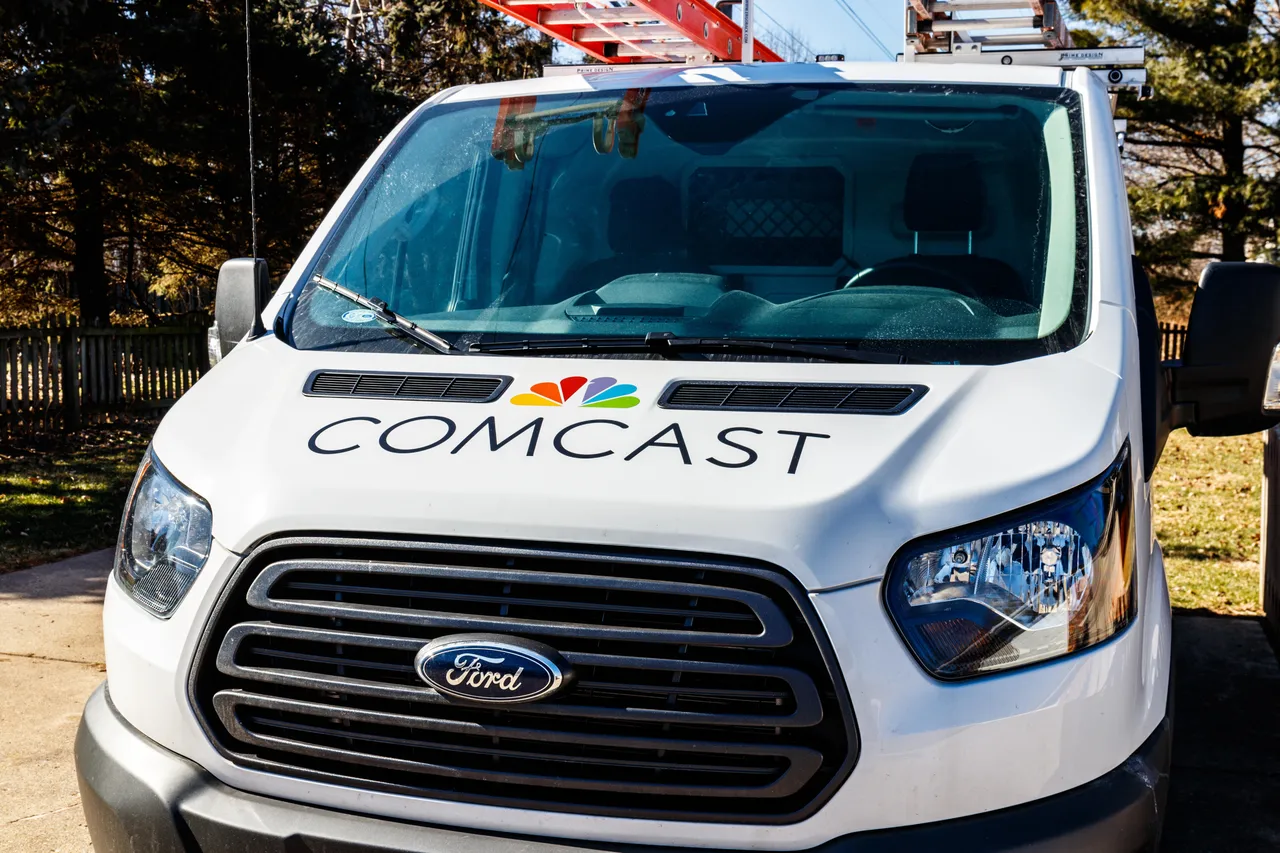
Comcast says its DOCSIS 4.0 rollout is now available to “millions” of homes, expanding beyond the ~1 million homes passed and ~10 markets cited in 2024, as it upgrades its HFC footprint with digital nodes and Full Duplex amplifiers. Executives also described AI-enabled network monitoring using Broadcom silicon that they say improves impairment detection accuracy and reduces repair minutes and trouble calls, alongside continued deployment of vCMTS across HFC and FTTP options and an edge AI initiative with Nvidia.
Key Takeaways
- DOCSIS 4.0 availability has expanded beyond a handful of markets to “millions” of homes (vs. ~1M homes passed in 2024).
- Comcast cited deployment of ~225K digital nodes (with “tens of thousands” DOCSIS 4.0-capable) and ~300K Full Duplex (FDX) amplifiers to enable scale across HFC.
- AI-assisted impairment detection embedded in Broadcom-based gear is claimed to hit 99.2% accuracy, with 35% fewer repair minutes and 20% fewer trouble calls where deployed.
- vCMTS expansion supports both HFC and FTTP options; Comcast says it has hundreds of thousands of customers on remote OLTs for fiber delivery.
- Comcast is also positioning edge compute for AI workloads with Nvidia, targeting customer connectivity within ~500ms.
Why It Matters
For streaming, this is the quiet arms race: last‑mile upgrades that turn “multi‑gig” into fewer buffering minutes and fewer truck rolls. Comcast is signaling that HFC isn’t a dead-end—it’s becoming a software- and AI-instrumented platform (vCMTS + AI telemetry) that can compete with fiber on experience, not just headline speeds. If the 35% repair-minute reduction holds, that’s margin protection plus churn defense as ad-supported streaming raises tolerance for glitches to near-zero. The meme: broadband is becoming an AI-operated CDN’s front door—reliability is the product.
Read full article at lightreading.com