

BBC floats iPlayer-as-a-platform for UK public broadcasters
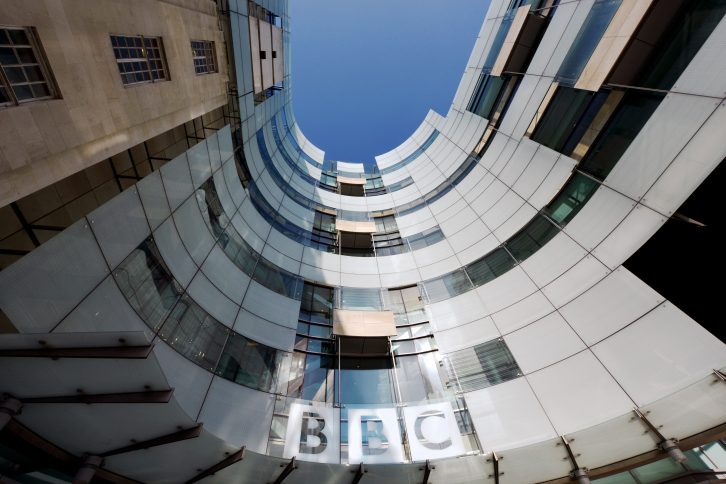
In its Charter Review response, the BBC proposes reforms to governance, funding, and regulatory flexibility, arguing the current funding model cannot sustain its public service mission. The BBC also suggests extending iPlayer’s reach, potentially by making the iPlayer platform available to other UK public service media as audiences increasingly consume BBC content via third-party services. The UK government has opened a public consultation on the BBC’s future over the next decade, closing March 10.
Key Takeaways
- BBC proposes “radical reforms” to independence, funding, and regulatory flexibility in the next Charter
- The corporation signals iPlayer could become a shared distribution platform for other UK public service media
- BBC argues regulation must match today’s competitive, tech-driven media market—not legacy broadcast rules
- BBC calls for a universal, sufficient funding model and for government to fully fund the World Service
- Public consultation on the BBC’s future framework is open until March 10
Why It Matters
This is the public-service version of a “super-aggregator” strategy: if audiences are already consuming via third-party platforms, the BBC wants to turn iPlayer into the front door—not just another tile. For UK PSBs, a shared iPlayer could mean scale (and bargaining power) in product, identity, data, and ad/measurement standards—if governance and economics can be negotiated. For streamers and device platforms, it’s a reminder that regulation can reshape distribution: the next Charter could effectively decide whether UK public media competes as fragmented apps or a bundled, platform-grade service.
Read full article at tvbeurope.com