

FCC clears Charter–Cox: minimal overlap, maximal regulatory signaling
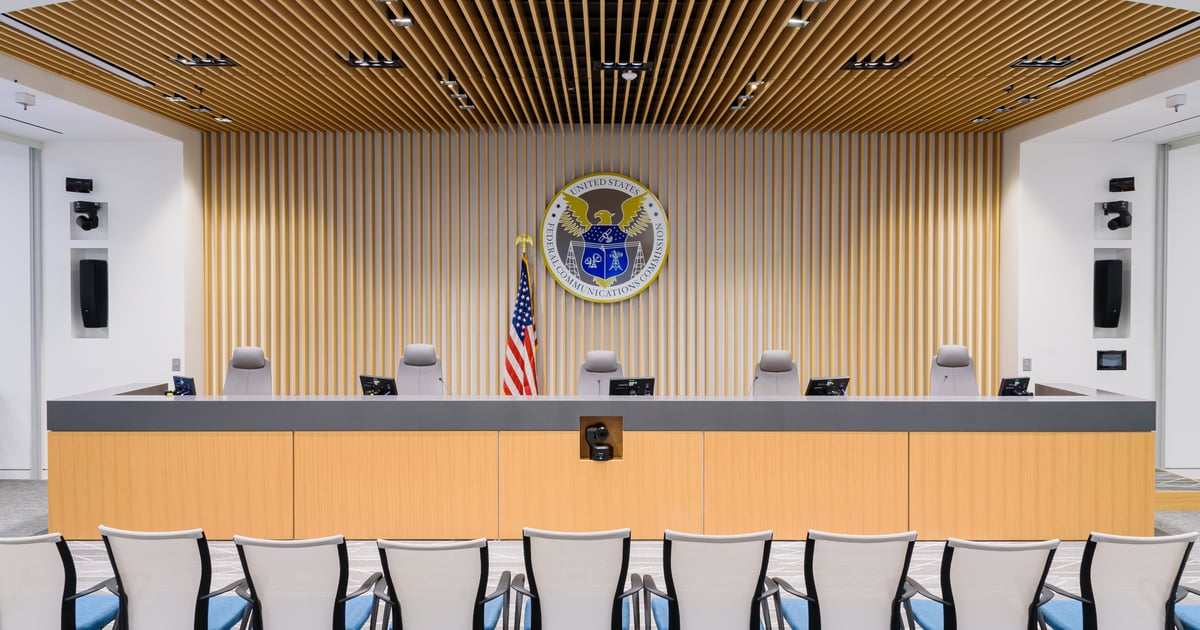
The FCC approved Charter Communications' acquisition of Cox Communications, dismissing objections related to interconnection practices, wholesale arrangements, and broadband data caps, citing minimal footprint overlap and limited evidence of transaction-specific harms. The order notes Charter commitments including accelerated DOCSIS 4.0 upgrades in Cox territory and plan-migration options for existing Cox customers despite Cox’s current use of data caps. The deal still requires state approvals and may face delays, including potential challenges in California.
Key Takeaways
- FCC dismissed opposition on interconnection, wholesale access, and data-cap bans—calling the complaints largely not transaction-specific.
- Charter pledged to accelerate DOCSIS 4.0 deployment across Cox’s footprint, a key near-term broadband capacity upgrade.
- Cox customers can keep existing plans or move to Charter’s offerings, despite Cox’s current use of broadband data caps.
- The FCC explicitly praised Charter’s DEI policy changes; Commissioner Anna Gomez publicly rebuked the agency’s framing.
- Closing timeline shifts to state-level approvals—California could slow the deal into mid-2026.
Why It Matters
For streaming, this is a regulatory tell: the FCC is prioritizing “transaction-specific harm” proof over broader platform conduct complaints (interconnection, wholesale leverage, data caps)—a high bar that favors large cable consolidation. If Cox’s capped footprint ultimately migrates toward Charter’s no-cap posture (or vice versa), it directly impacts video QoE, churn, and the economics of ad-supported streaming at peak usage. The other meme: DEI rollbacks are increasingly treated as merger “hygiene,” signaling where parties may feel pressure to concede to keep deal timelines intact—especially as the real fight moves to the states.
Read full article at lightreading.com