

Google: Open-source experiments drove JPEG XL image codec efficiency
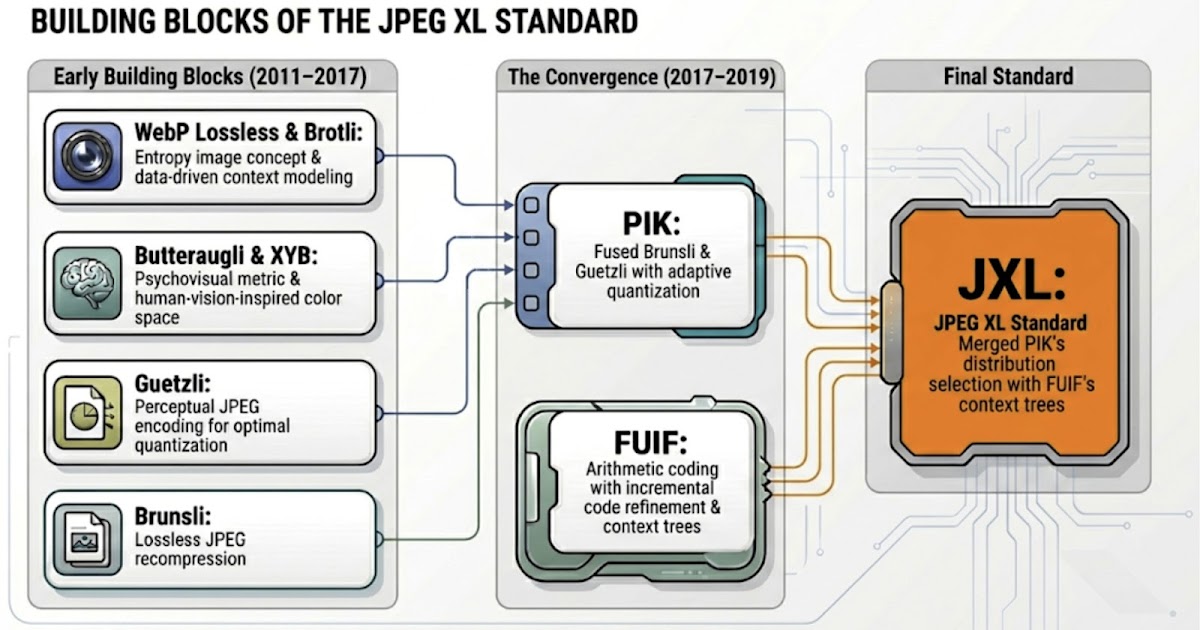
The article from Google Open Source Blog details how open-source experiments played a crucial role in the development of JPEG XL, an image coding standard. JPEG XL's efficiency has direct implications for content delivery and bandwidth optimization within the streaming industry. While the full article content is not provided, the summary highlights its focus on codec development, which is relevant to streaming technology.
Key Takeaways
- JPEG XL is an image coding standard developed through open-source experiments.
- The codec's efficiency impacts content delivery and bandwidth optimization.
- Google highlighted the role of open source in shaping the standard's development.
Why It Matters
The progression of image codecs like JPEG XL directly affects streaming platforms by reducing file sizes and improving rendering speed for high-quality visuals. This translates to lower bandwidth costs for providers and a more consistent viewing experience for users, particularly in regions with limited internet infrastructure. Continued improvements in image coding elevate the baseline for visual fidelity across all streaming services. Moving forward, watch for increased adoption rates of JPEG XL, and its integration into streaming workflows and devices, as a key indicator of its industry impact.
Read full article at opensource.googleblog.com