

Harlequin Turns Romance IP into AI Microdramas at Scale
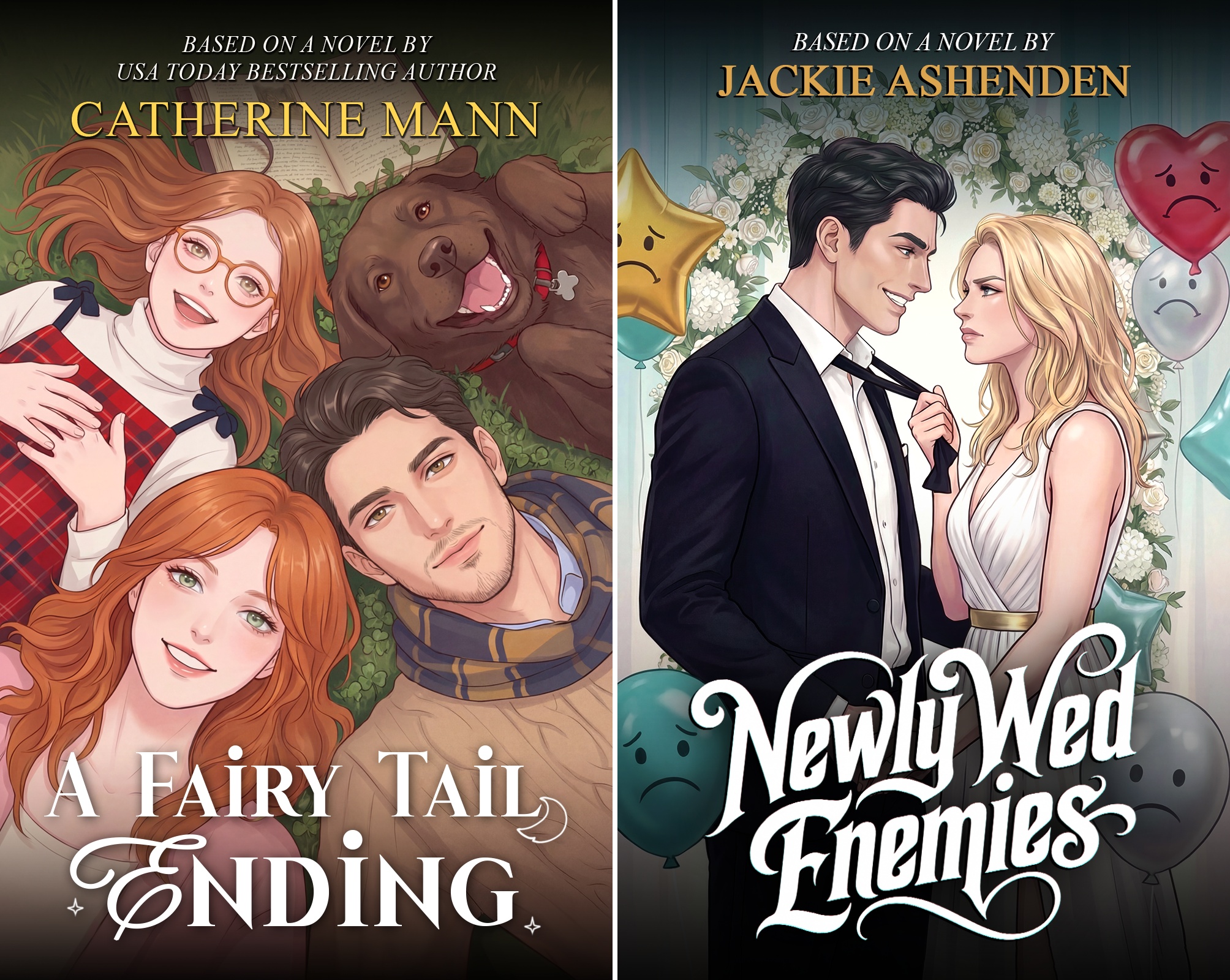
Harlequin (a HarperCollins division) signed a multi-year agreement with AI shortform-video company Dashverse to co-produce 40 animated, AI-assisted "microdrama" series based on Harlequin Romance titles, starting with an adaptation of Catherine Mann’s "A Fairy-Tail Ending". The series are slated for distribution in English on global microdrama platforms including Dashverse’s DashReels, with monetization via advertising and, on some platforms, subscriptions; Harlequin says authors will receive royalties. Dashverse’s production system, Frameo, is described as a generative video studio combining text prompting with automated editing to produce short films with consistent characters and audio.
Key Takeaways
- Harlequin + Dashverse will co-produce 40 AI-assisted animated microdrama series based on Harlequin Romance IP.
- Dashverse’s Frameo is positioned as a generative video studio: text prompting + automated editing to keep characters/audio consistent.
- Distribution is slated for microdrama platforms (including DashReels), optimized for mobile, short episodes.
- Monetization is hybrid (ads plus some subscriptions), with Harlequin stating authors will earn royalties.
- The move follows Harlequin’s recent pruning of its historical romance line—signaling a format shift, not just a content shift.
Why It Matters
This is “IP compression” becoming a playbook: take a massive backlist, convert it into vertical-native series quickly, and test what sticks across ad-supported microdrama feeds. If Frameo-style pipelines can reliably ship episodes in weeks, publishers and studios get a cheaper, faster alternative to prestige adaptations—closer to performance marketing than Hollywood development. For streamers and FAST operators, it’s a warning shot: microdrama platforms are building their own scalable IP factories with hybrid monetization, while rights holders learn to monetize story worlds in new windows. Expect more royalty and rights language to become the battleground as AI-assisted production normalizes.
Read full article at publishersweekly.com