

Limecraft turns AAF export into reusable workflow templates
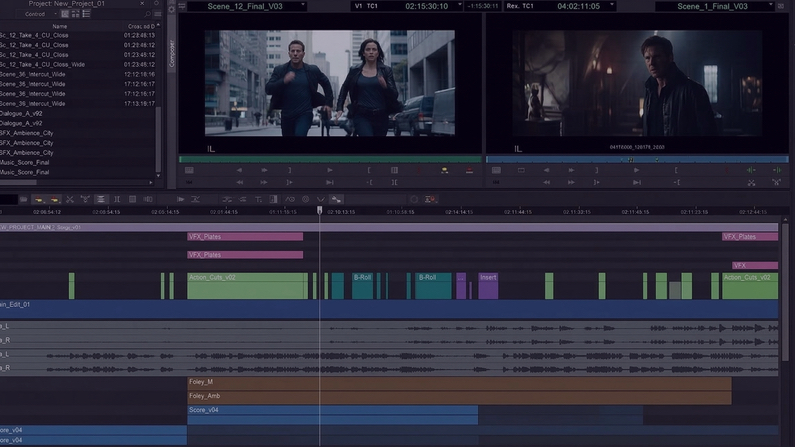
Limecraft released Limecraft 2026.2, updating its AI-powered cloud production platform with template-based AAF export intended to standardize and simplify editorial handoffs without engineering support. The release also adds transcription workflow upgrades, including disfluency filtering, adjustable speaker diarisation sensitivity, and AI-assisted transcript post-editing, alongside smaller delivery, access-control, and robustness improvements (including Limecraft Edge). A live webinar demonstrating the update is scheduled for 19 March 2026.
Key Takeaways
- Template-based AAF export lets teams define, reuse, and manage export configurations at the workspace level for consistent editorial handoffs.
- Exports can map metadata to clip colors, transfer comments/transcripts as native Avid markers, and support multi-timeline sequence structuring.
- Transcription upgrades include disfluency filtering, adjustable speaker diarisation sensitivity, and AI-assisted transcript post-editing for faster cleanup.
- Platform refinements cover delivery workflow tweaks, more flexible custom status filters, improved workflow access control, and added robustness for Limecraft Edge during temporary licensing interruptions.
- Webinar demo scheduled for March 19 (Zoom registration available).
Why It Matters
In high-volume streaming production, the bottleneck isn’t capture—it’s handoff reliability. By turning AAF export into a reusable “template asset,” Limecraft is pushing the industry toward operationally consistent post pipelines where best-practice exports can be standardized across teams, shows, and vendors. That reduces rework, lowers dependency on pipeline engineers, and makes multi-episode factories (reality, continuing drama, unscripted) more scalable. Pair that with cleaner, more controllable transcripts and you get a broader trend: AI isn’t just generating content—it’s quietly productizing the glue between systems (Avid, delivery, localization) that keeps streaming supply chains moving.
Read full article at globalbroadcastindustry.news