

BEAD: States Keep $21B, NTIA Draws Lines on Terms
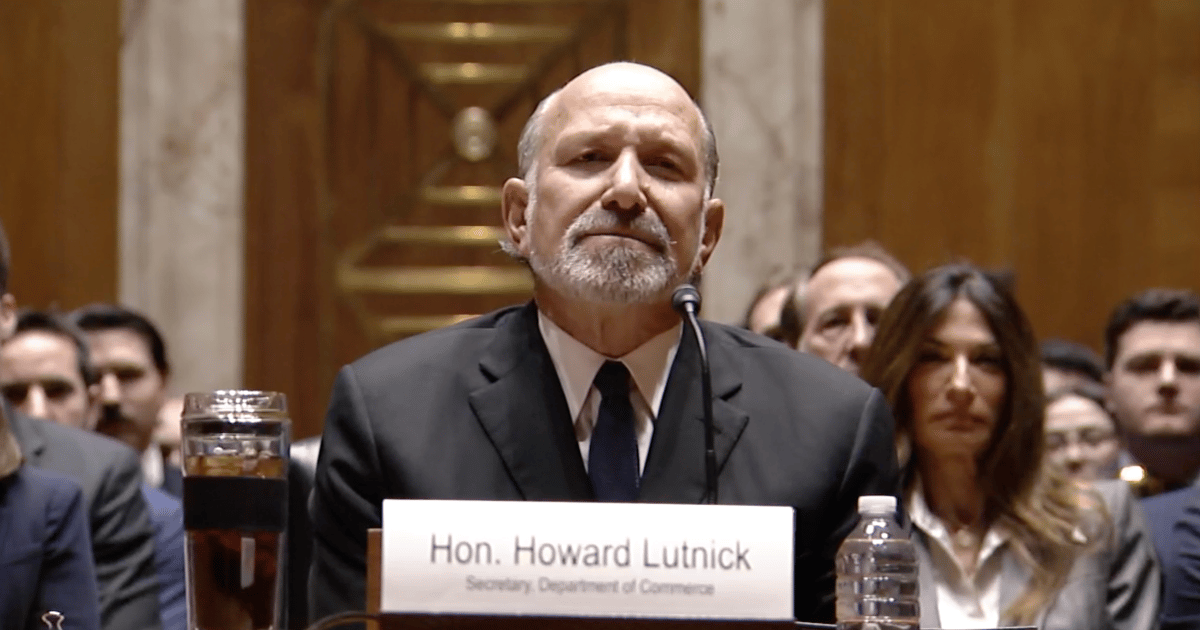
The article reports that Commerce Secretary Howard Lutnick affirmed states will retain access to their full BEAD broadband allocations, including remaining 'non-deployment' funds, in line with the 2021 infrastructure law, despite earlier suggestions unused funds might return to the U.S. Treasury. It also details ongoing uncertainty around how these funds can be used, the potential impact of President Trump's AI-related executive order on BEAD eligibility, and NTIA guidance rejecting SpaceX/Starlink contract riders that seek exemptions from BEAD performance requirements, with the possibility of re-bidding projects if SpaceX does not comply.
Key Takeaways
- Lutnick confirmed remaining BEAD funds will stay with states per the 2021 law — about $21B in unspent allocations.
- NTIA will take stakeholder input on allowable 'non-deployment' uses; guidance is pending after a high-interest listening session.
- Trump's AI executive order threatens to disqualify states with certain AI laws — Commerce must define conditions by March 11.
- NTIA rejected SpaceX/Starlink rider attempts to evade BEAD performance requirements; states can re-bid if providers refuse BEAD terms.
Why It Matters
For streaming executives and infrastructure strategists, this clarifies two critical vectors: funding certainty and contractual discipline. States keeping $21B in BEAD non-deployment money preserves a major pool for last-mile, middle‑mile, public Wi‑Fi and digital‑inclusion projects that directly expand streaming reach and QoS. At the same time, NTIA’s pushback on SpaceX riders signals regulators won’t dilute performance standards for new transport technologies — a precedent that affects how LEO and fixed wireless players can participate in public broadband programs. The looming AI executive order injects political risk: conditional eligibility could fragment state approaches and complicate where future streaming growth happens.
Read full article at lightreading.com