

Nexstar Appeals Injunction, Argues Scale Needed to Compete With Streamers
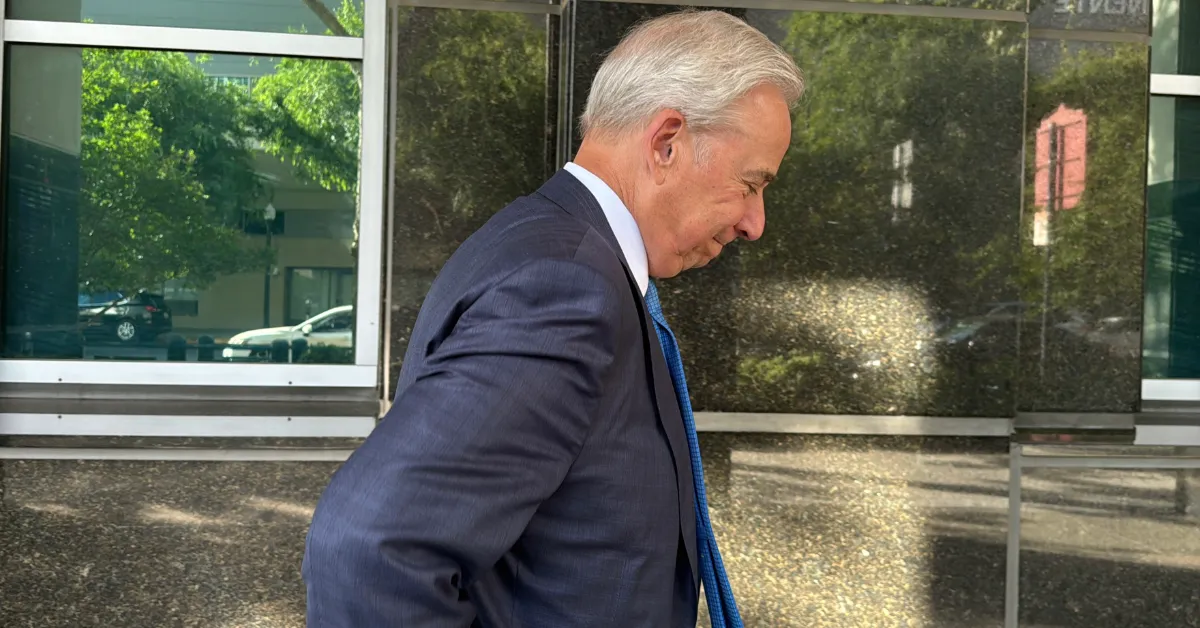
Nexstar Media Group has filed an appeal against a preliminary injunction blocking its $6.2 billion acquisition of TEGNA. The injunction, which converts a temporary restraining order, was granted in response to a consolidated antitrust lawsuit filed by DIRECTV and several state attorneys general. Nexstar argues the consolidation is necessary to compete with large streaming technology companies, while opponents claim it would substantially reduce competition in local TV broadcasting.
Key Takeaways
- The injunction halts the operational merger, forcing Nexstar to run TEGNA as a subsidiary with separate executives while the lawsuit proceeds.
- Opponents argue the deal gives Nexstar control of over 200 stations and two or more “Big Four” affiliates in nearly three dozen markets, reducing competition.
- CEO Perry Sook positions the merger as an operational efficiency for physical facilities and administrative staff, not a strategy to reduce journalist headcount.
- Retransmission fees are a primary revenue source, with Nexstar earning $720M from fees versus $549M from ads in Q4 2025, a structure TEGNA also follows.
- Sook predicts the local TV landscape will inevitably consolidate to two or three major broadcasters due to widespread financial strain in the sector.
Why It Matters
The Nexstar-TEGNA legal battle crystallizes the core tension for legacy broadcasters: consolidate to survive against streamers or appease regulators focused on local market competition. The case pits Nexstar’s argument that it needs mass against claims the 200+ station group will harm local competition and inflate retransmission fees. The outcome could set a major precedent for future broadcast mergers. Watch how Nexstar reports TEGNA’s financials in its upcoming Q1 earnings for the first look at what the forced operational separation means for its books.
Read full article at thedesk.net