

LiveU says general network bonding misses live video failures
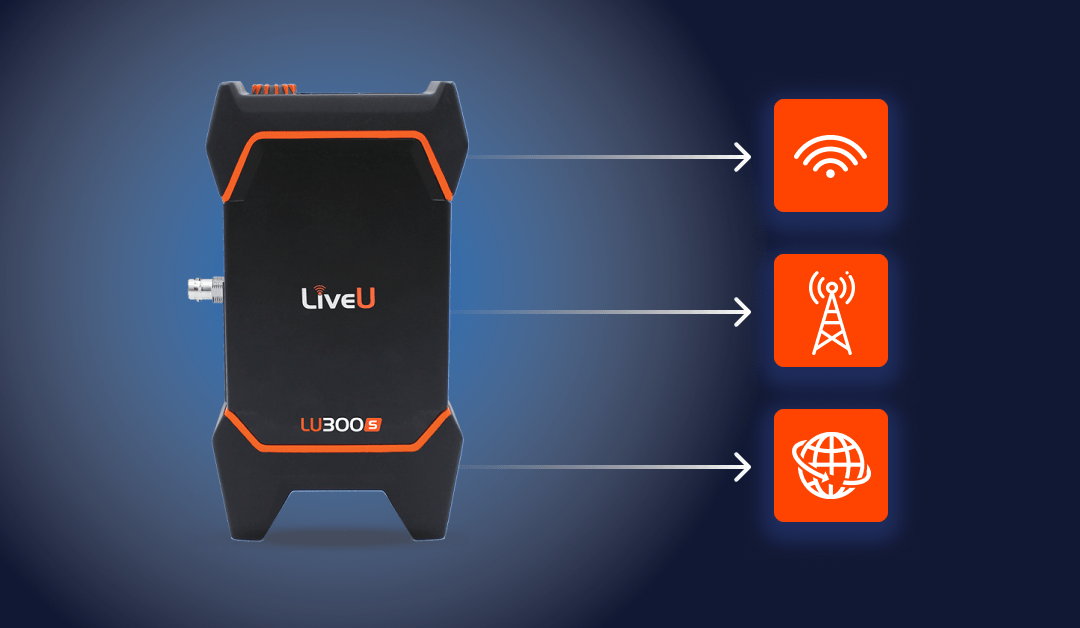
LiveU contrasts general-purpose network bonding with its specialized video bonding solution, explaining that its LRT (LiveU Reliable Transport) protocol integrates video encoding and transport to prevent glitches during live broadcasts. The article highlights that typical network bonding solutions are unaware of video content, leading to quality issues when network conditions degrade, whereas LiveU's system proactively adjusts bitrate to maintain stream integrity. LiveU emphasizes that this integrated approach is crucial for reliable live video transmission across various production scales.
Key Takeaways
- LiveU says general-purpose bonding tools like Peplink, Cradlepoint, and Speedify treat video like any other data stream.
- The company’s LRT protocol combines packet ordering, dynamic forward error correction, acknowledge-and-resend, and adaptive bitrate encoding.
- LiveU says LRT can signal the encoder directly when bandwidth drops, before frames are lost.
- The article says more than 5,000 organizations worldwide use LiveU and LRT across news, sports, public safety, and professional AV.
Why It Matters
The immediate point is that LiveU is drawing a hard line between network continuity and live video protection: a bonded connection can stay up while the stream still glitches if the encoder cannot react in time. That distinction matters because LiveU is framing LRT as a video-aware transport layer, not just a bigger pipe, with encoder and transport making real-time adjustments together. The ecosystem angle is clear in the comparison with Peplink, Cradlepoint, and Speedify, which the article says are built for general connectivity rather than broadcast video. What to watch next is whether LiveU’s own metric holds: more than 5,000 organizations already use its system.
Read full article at liveu.tv