

Nvidia CEO Reports Persistent H100, Blackwell AI Chip Supply Constraints
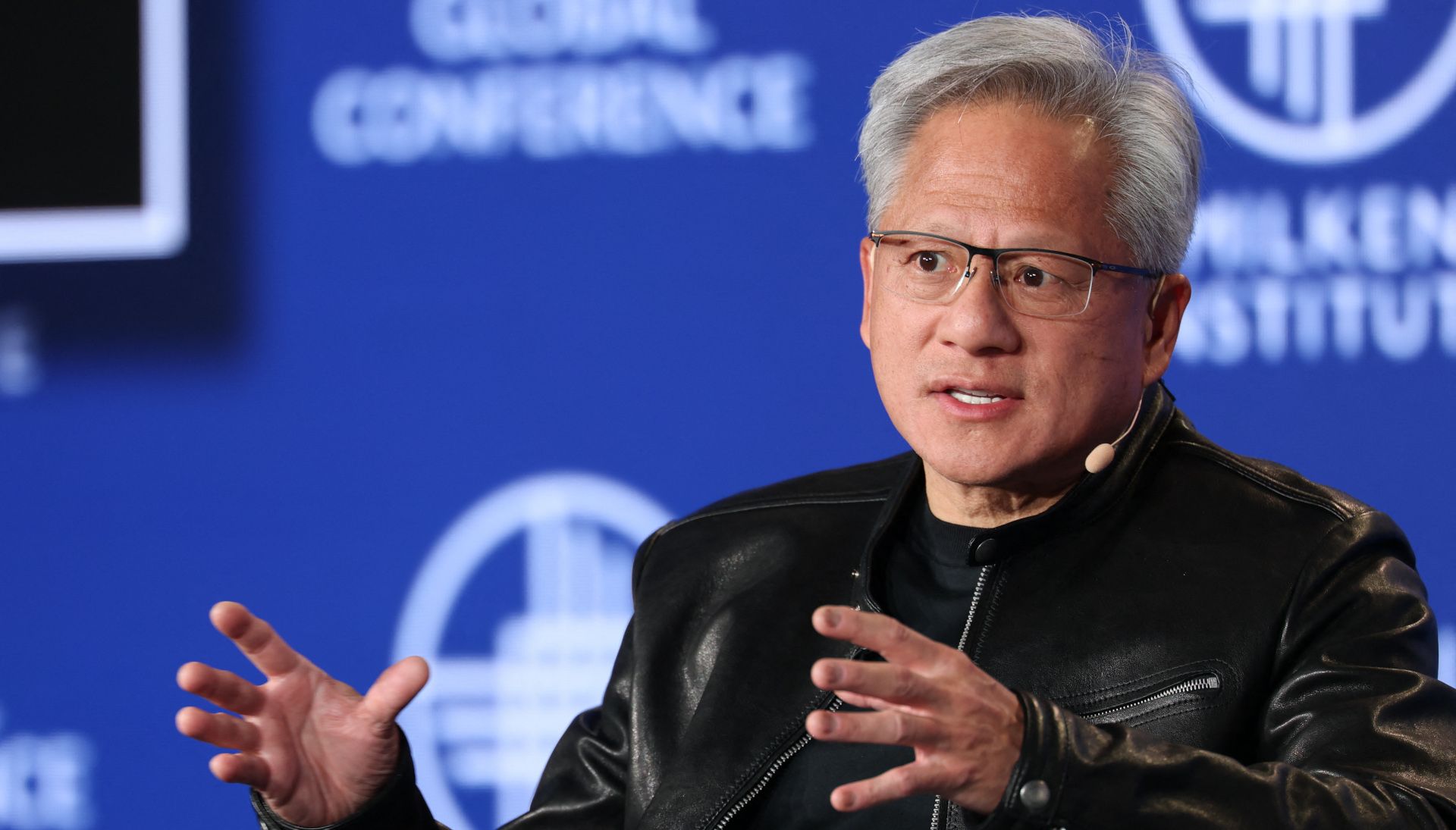
Nvidia CEO Jensen Huang stated that the company continues to face supply constraints for its AI chips, including the H100 and Blackwell architectures, due to the global transition to accelerated computing and high demand for generative AI hardware. Despite these bottlenecks, Nvidia maintains capacity for robust growth and expects the gap between supply and demand to persist as the AI hardware landscape grows increasingly complex.
Key Takeaways
- Nvidia faces ongoing supply constraints for its AI chips, including the H100 and newer Blackwell architectures.
- CEO Jensen Huang attributed constraints to the global transition to accelerated computing and high generative AI demand.
- Nvidia relies heavily on third-party manufacturers like TSMC for silicon production.
- The supply chain for advanced computing is described as "incredibly complex," extending beyond just chips to full data center infrastructure.
Why It Matters
Nvidia's continued supply constraints for its H100 and Blackwell AI chips indicate that the scarcity of high-performance computing resources will persist. This means enterprises developing or leveraging advanced AI models for video processing, content creation, or real-time analytics will likely face continued delays and higher costs for essential hardware. The complexity of scaling the entire AI infrastructure chain, not just chip production, suggests that demand will continue to outstrip supply for the foreseeable future. Streaming organizations should monitor lead times and pricing for AI hardware, particularly from TSMC and other Nvidia manufacturing partners, as supply directly impacts their ability to scale AI-driven initiatives.
Read full article at techradar.com