

Nvidia DLSS 3.5 Integration Targets Faster Blender 3D Viewport Performance
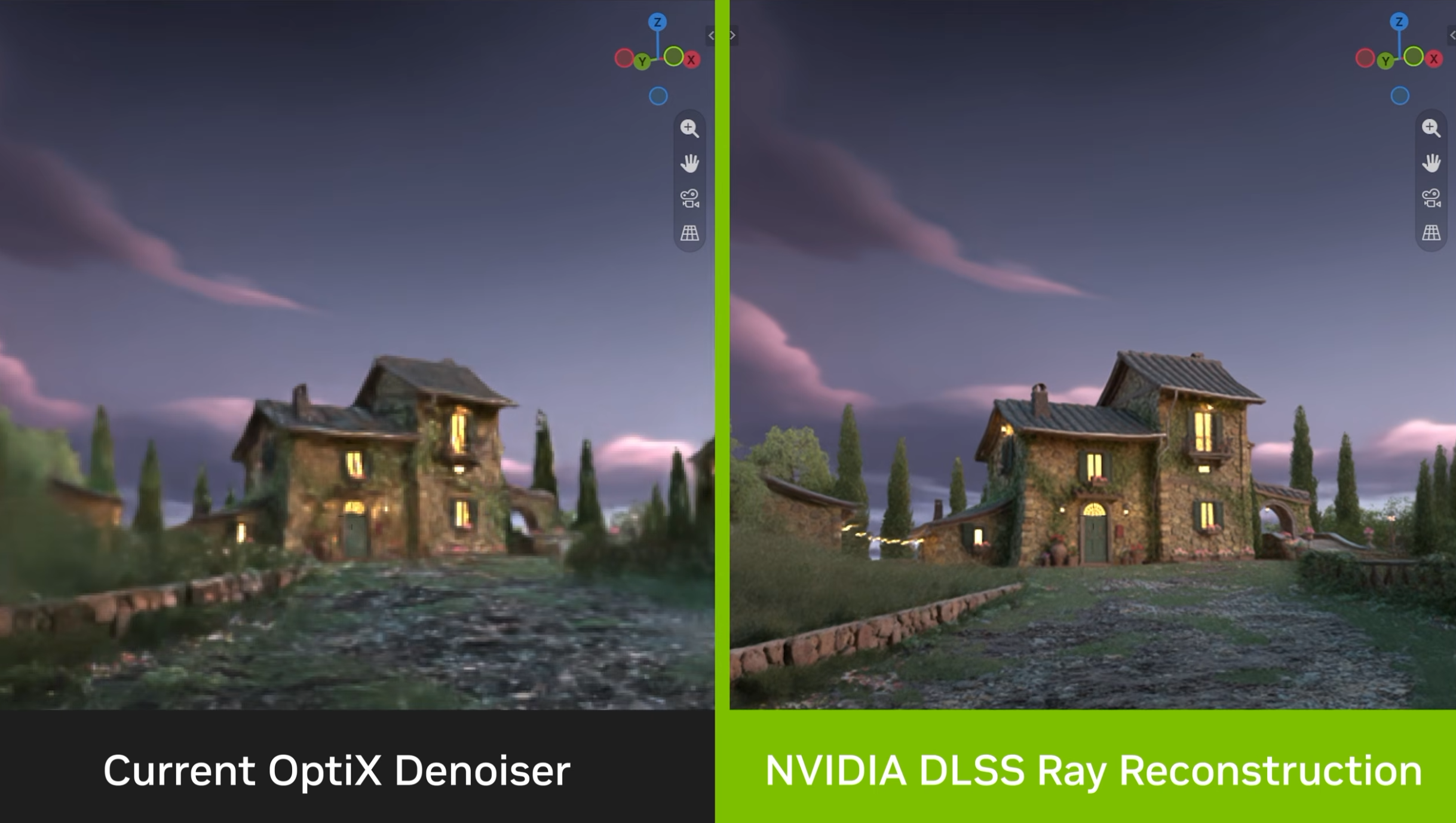
Nvidia has announced that its AI-powered DLSS 3.5 technology will be integrated into Blender, a popular open-source 3D content creation suite. This integration is expected to significantly improve viewport rendering times for 3D artists by using AI upscaling, allowing for smoother interaction with complex models and faster visualization work.
Key Takeaways
- Nvidia's DLSS 3.5 will be integrated into Blender to enhance 3D viewport rendering.
- The technology uses AI to render scenes at lower resolutions, then upscales for improved performance without significant visual degradation.
- This integration is expected to drastically increase frames-per-second (fps) when navigating complex scenes in Blender.
- The update offers a new approach compared to Blender's native denoising tools, shifting the heavy lifting of sharpening and upscaling to AI.
- DLSS will particularly benefit users working on real-time projects or visualization tasks requiring fast turnaround.
Why It Matters
Integrating DLSS 3.5 directly into Blender addresses long-standing user demands for improved viewport performance, a critical bottleneck in 3D content creation workflows. This move further positions Nvidia's hardware as essential for professional creative applications, extending its influence beyond gaming into core production tools. For studios and artists, faster viewport interactions mean quicker iteration cycles and reduced project timelines, potentially lowering production costs. What to watch next is the official release date and subsequent user adoption rates for DLSS-enabled Blender workstations, alongside any performance benchmarks against existing solutions.
Read full article at creativebloq.com