

Open Broadcast Systems Uses AI to Simplify HDR Output Testing
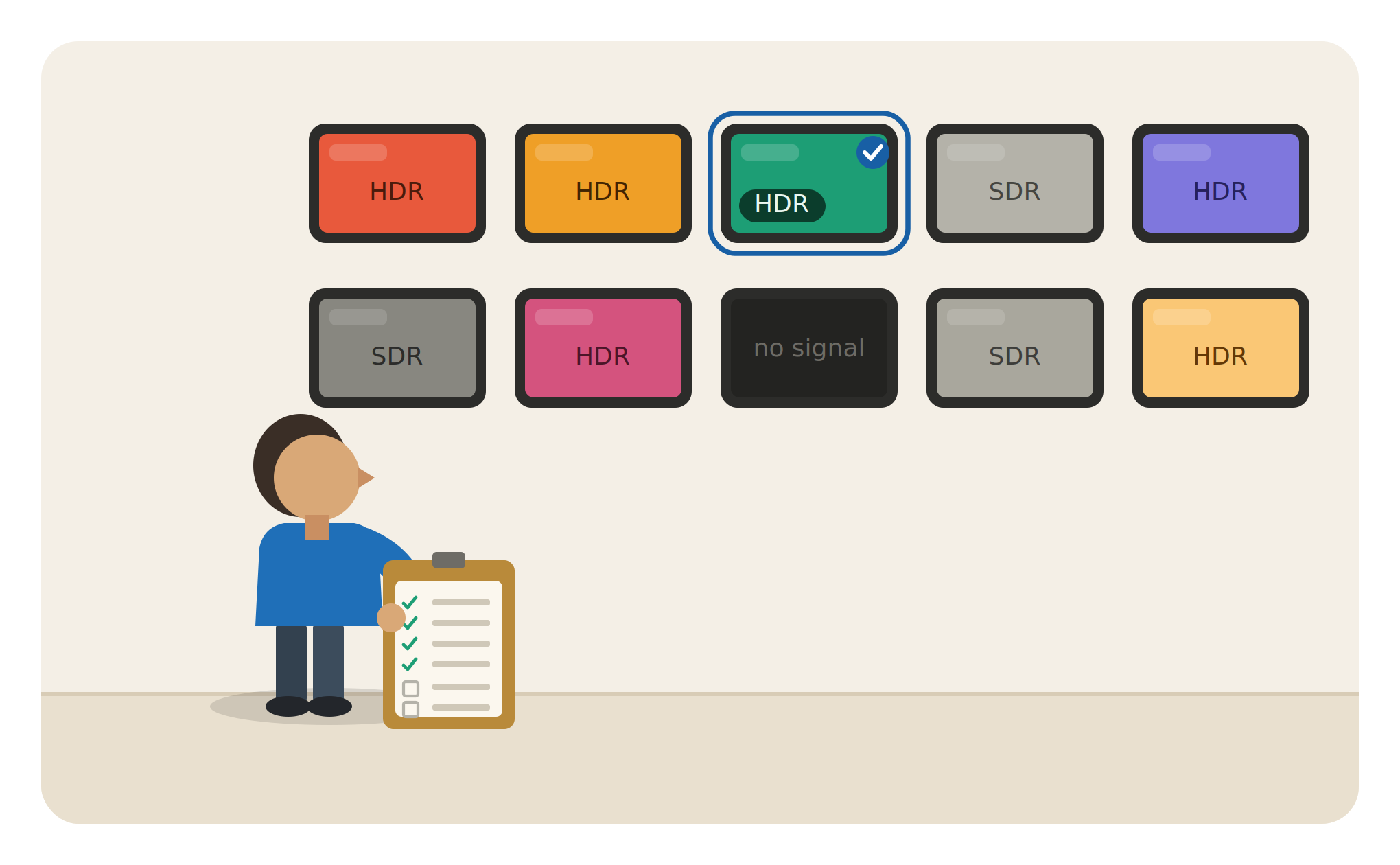
Open Broadcast Systems developed HDR output support for its decoders across various pipelines, overcoming significant QA challenges due to differing output configurations. The company leveraged AI alongside human testing to manage the extensive permutations required for consistent HDR experiences, particularly for HLG and integrating with third-party hardware like Blackmagic Decklink. This strategic use of AI addresses the complexity of interoperability across diverse broadcast and streaming video outputs.
Key Takeaways
- HDR output development involved 10 separate permutations for HLG alone, requiring significant QA effort.
- AI verified implementation details alongside human testers, particularly where permutations were numerous.
- Integrating with Blackmagic Decklink required a decade-old SDK upgrade and specific testing for three card subtypes.
- Addressing different HDR flagging methods for ST-2110 output (VPID vs. SDP) required implementing both approaches.
- Non-HDR supporting Blackmagic cards produced no output when HDR was signaled, necessitating device detection logic.
Why It Matters
The complexity of HDR output across varied ecosystems is a significant technical hurdle for streaming hardware and software providers. Open Broadcast Systems' use of AI for quality assurance highlights a practical application of machine assistance in managing interoperability challenges that often require extensive manual testing. This approach could streamline development cycles and improve reliability for vendors grappling with diverse output specifications and legacy hardware. Watch for more vendors to adopt similar AI-driven QA strategies to accelerate the deployment of advanced video formats.
Read full article at obe.tv