

BBC’s Olympics playbook: fewer linear hours, triple iPlayer streams
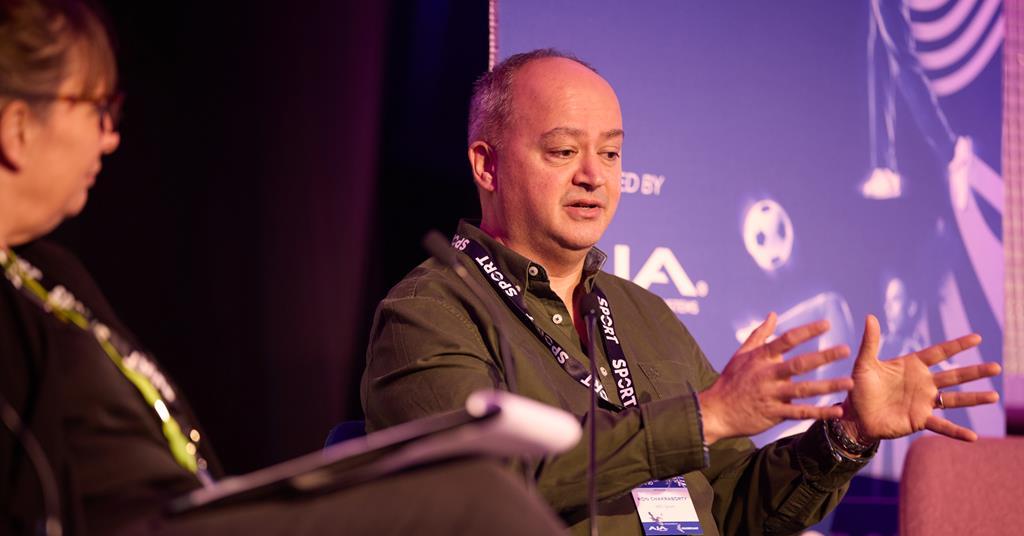
BBC Sport reported major digital growth for the Milano Cortina Winter Olympic Games, with iPlayer streams nearly tripling versus the prior Winter Games (83m vs 31.4m) while linear reach also rose to 26.3m despite a 25% reduction in broadcast hours. In a podcast discussion, head of major events Ron Chakraborty described reallocating resources from linear to digital and prioritizing iPlayer usability as viewing continues to shift online. The BBC also highlighted large increases in social video views and cited a new YouTube partnership expected to play a bigger role around the upcoming World Cup.
Key Takeaways
- iPlayer delivered 83m streams, ~3x the previous Winter Games (31.4m).
- Linear reach increased to 26.3m despite a 25% reduction in broadcast hours—suggesting efficiency gains from tighter scheduling.
- BBC reallocated production and editorial resources from linear coverage to digital-first experiences on iPlayer.
- Social video views jumped sharply (230m vs 35m previously), driven by heavier use of Instagram and TikTok.
- A newer YouTube partnership is expected to matter more around the upcoming World Cup, widening BBC’s distribution funnel.
Why It Matters
This is the public-service version of the industry’s new math: fewer linear hours can still grow reach if discovery, packaging, and highlights distribution are engineered for digital. BBC’s bet is that the “clout of linear” buys time, but the real battleground is product—iPlayer UX, signposting, and fast-turn clip workflows that turn chaotic live sport into algorithm-friendly moments. The meme: “reduce the channel, increase the audience.” For streamers and rights holders, it’s a blueprint for defending mass reach while reallocating spend to platforms where younger audiences actually start (TikTok/YouTube) and finish (owned streaming).
Read full article at broadcastnow.co.uk