

For live sports, anti-piracy is a latency problem
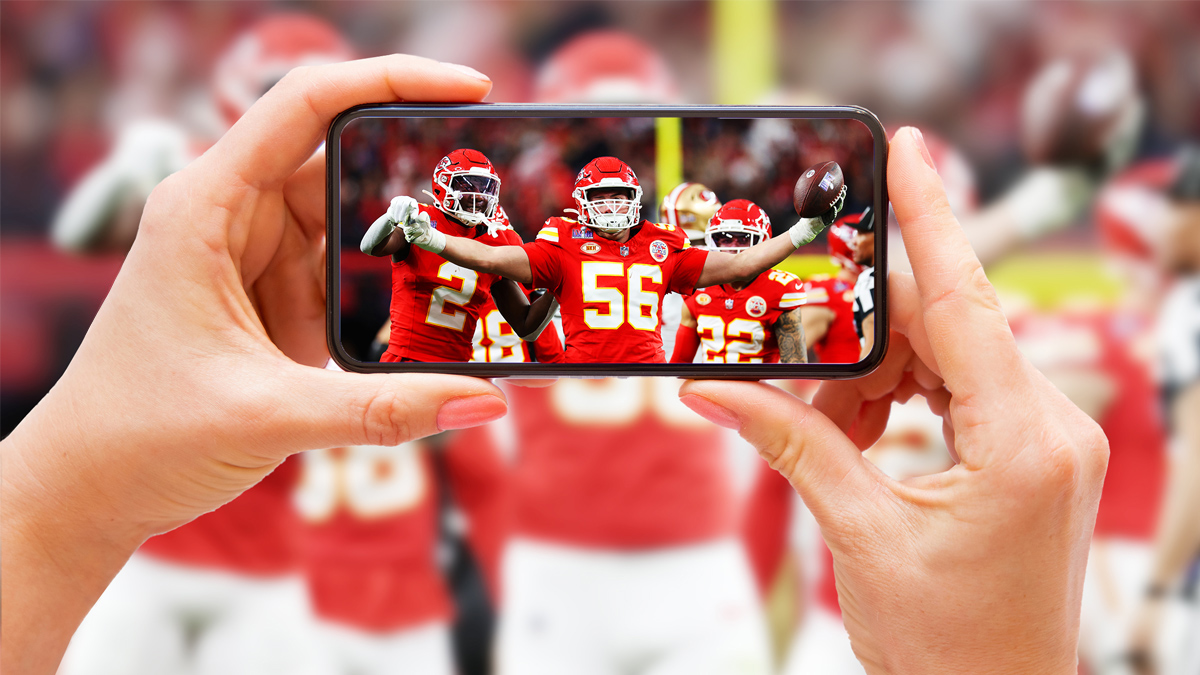
The article argues that live sports are particularly vulnerable to piracy because delayed takedowns reduce the effectiveness of post-hoc enforcement, citing estimates that 17 million viewers watched the Super Bowl via illegal streams and survey data indicating 35% of NFL fans regularly use pirate streams. It reviews evidence from court-ordered ISP-level website blocking in the UK (2012–2014) and later blocking waves in India (2019–2020) and Brazil (2021), reporting statistically significant increases in visits to paid legal streaming sites (e.g., 8% in the UK after broader blocking, 8.1% in India in 2019, and 5.2% in Brazil in 2021). The authors note limited direct research on live sports stream blocking specifically, but suggest broader, simultaneous blocking of multiple piracy sites is more effective than targeting single high-profile sites.
Key Takeaways
- Delayed takedowns are uniquely ineffective for live sports, where value collapses after the final whistle
- Court-ordered ISP-level blocking across multiple countries has correlated with higher legal streaming activity (UK ~8%+; India 8.1% in 2019; Brazil 5.2% in 2021)
- Blocking a single “big” piracy site can just reroute users to alternatives; wider, coordinated blocking appears more impactful
- Research is stronger for movies/TV than for live sports specifically—but the authors argue the behavioral logic likely carries over
- Policy pressure is building for more proactive, real-time measures (beyond “expeditious” takedowns)
Why It Matters
Sports is streaming’s most expensive customer-acquisition engine—and its most time-sensitive product. If piracy is a real-time distribution layer, then enforcement that arrives two hours late is functionally a no-op. The cross-country blocking data suggests a practical lever: raise “search costs” enough that convenience wins and some viewers convert. For platforms and rightsholders, this reframes strategy from whack-a-mole notices to coordinated ISP/regulatory playbooks, alongside better UX and packaging. The emerging meme: in live, enforcement is a QoE metric—latency kills revenue.
Read full article at hbr.org