

Redaction Security Goes Beyond the Output: Focus on Data Processing Steps
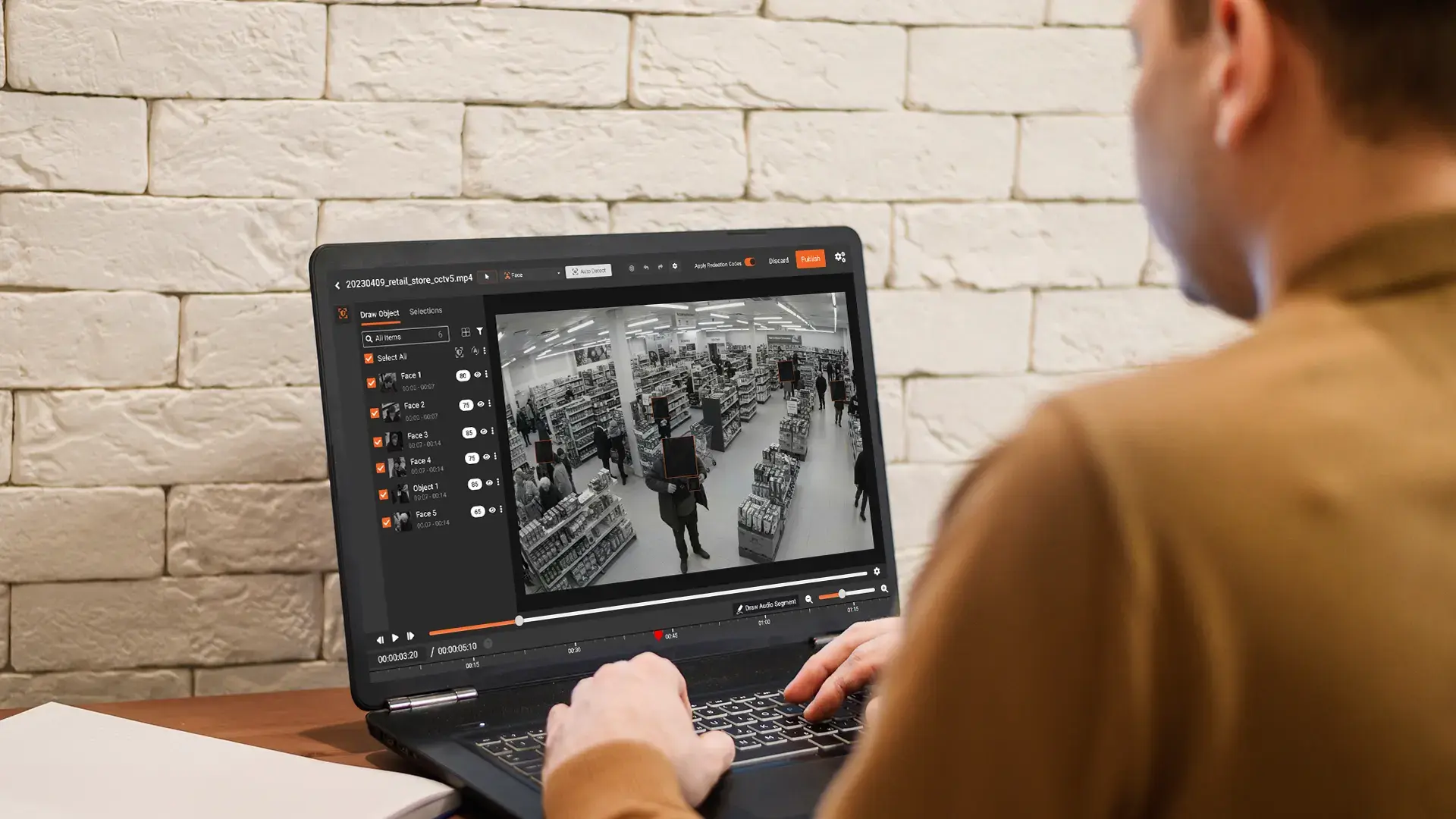
VIDIZMO published a guide detailing security implications of data handling during video and document redaction, emphasizing the exposure window before actual redaction and during intermediate storage. The article highlights how deployment models (SaaS vs. on-premises) impact compliance with regulations such as GDPR, HIPAA, and CJIS frameworks for sensitive visual data.
Key Takeaways
- Redaction tools create an 'exposure window' as they must read unredacted content in plain form for processing.
- Intermediate storage, even temporary, requires the same security controls (encryption, access controls, audit logging) as permanent storage.
- Data retention policies for source files, redacted outputs, and audit records must be configurable per workload and verifiable.
- Deployment models (SaaS, private cloud, on-premises) are critical for security, determining if data leaves the customer's perimeter.
- Buyers should inquire about vendor status as a processor, configurable retention, encryption standards, audit logging, and deployment flexibility.
Why It Matters
The industry's increasing reliance on video for sensitive applications like healthcare, law enforcement, and legal discovery means secure redaction is paramount. This guide underscores that compliance for sensitive visual data isn't just about the final output but the entire processing workflow and data handling practices. Organizations adopting redaction solutions must scrutinize vendor data policies and deployment models to ensure regulatory adherence (e.g., HIPAA, GDPR, CJIS). The signal to watch is how quickly vendors in this space adapt to offer granular control over data processing and storage, moving beyond basic redaction capabilities to comprehensive security frameworks for the entire lifecycle of sensitive assets.
Read full article at vidizmo.ai