

Australia’s under-16 social media ban spreads across Europe and Asia
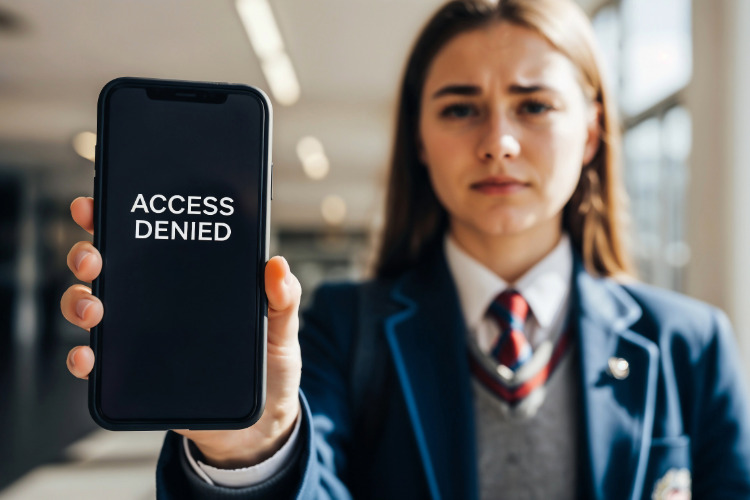
Australia's law mandating a minimum age of 16 for social media accounts, effective December 2025, has spurred a global movement toward similar age restrictions on platforms like YouTube, X, Facebook, Instagram, TikTok, Snapchat, Reddit, Twitch, Threads, and Kick. Several countries, including the UK, France, Spain, Germany, Denmark, Poland, Portugal, Turkey, Norway, Greece, Indonesia, Malaysia, India, and New Zealand, are implementing or planning bans or strict age-verification for underage users on social media platforms. Challenges remain in implementing these bans effectively, with reports indicating many underage users can still easily bypass restrictions.
Key Takeaways
- Australia’s Online Safety Amendment (Social Media Minimum Age) Bill took effect in December 2025 and targets accounts on YouTube, X, Facebook, Instagram, TikTok, Snapchat, Reddit, Twitch, Threads and Kick.
- The law threatens fines of up to $50 million for platforms that fail to block under-16 accounts.
- Ursula von der Leyen said the European Commission will propose a Digital Fairness Act toward the end of 2026, and an EU age-verification app is being prepared.
- The Molly Rose Foundation surveyed 1,050 Australians aged 12 to 15 and found 61% still had access to at least one active account.
- In the same survey, 70% of children said it was easy to bypass the restrictions, and about 60% said platforms took no action to remove or deactivate existing accounts.
Why It Matters
Australia’s ban has moved age gating from a national policy experiment into a wider regulatory template for social platforms and video services. That matters because the same rule set is now being discussed or implemented in the UK, France, Spain, Germany, Denmark, Poland, Portugal, Turkey, Norway, Greece, Indonesia, Malaysia, India and New Zealand, with YouTube, Twitch, TikTok and other platforms named explicitly. The competitive issue is not just compliance scope, but whether age verification can actually keep minors out without creating new privacy friction. The next signal to watch is whether the EU’s age-verification app rolls out in the coming months and whether the UK’s consultation closes on May 26 with stricter feature limits.
Read full article at dailydeclaration.org.au