

MoQ, AI, and Telemetry Rewire Streaming Architectures
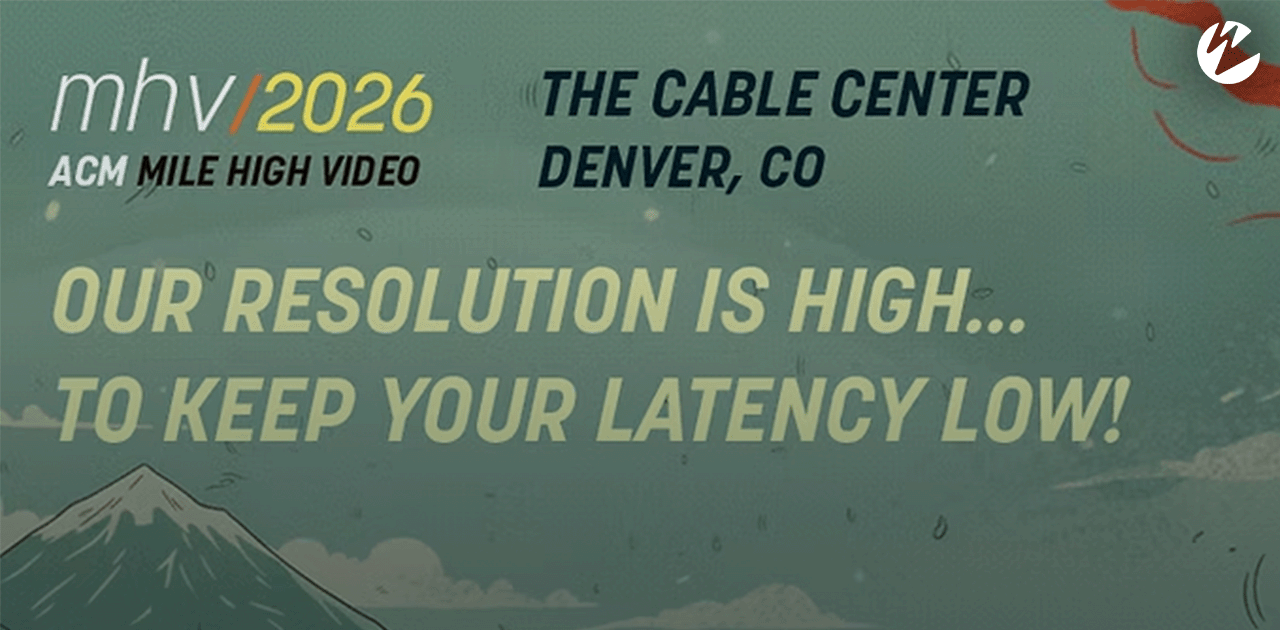
The article summarizes key technical themes from the Mile High Video 2026 conference, highlighting progress in Media-over-QUIC (MoQ), real-time QoE telemetry (CMCDv2, MQA), AI-driven encoding and machine-to-machine video, and new ad formats and insertion standards. It also covers infrastructure advances such as Enhanced RTMP, Netflix’s REaP architecture, AV2 plus custom encoding silicon, and authenticity standards like C2PA for content provenance. The piece positions modern streaming architectures as increasingly data-driven, modular, and security-focused, with vendors like Wowza planning product roadmaps around these developments.
Key Takeaways
- Media-over-QUIC (MoQ) is production-ready in pilots—evaluate low-latency, multi-track delivery and cascading MoQ relays as CDN alternatives.
- Integrate CMCDv2 and MQA to close the telemetry loop: enable real-time QoE-driven routing, encoder switches, and automated policy actions.
- Move AI into encoding and M2M workflows (MPEG-AI/VC-6) to slash bandwidth and compute for machine consumers and just-in-time per-frame optimization.
- Plan for AV2 + custom silicon, REaP-style redundancy, and C2PA provenance—hardware, resiliency, and authenticity will shape procurement and compliance.
Why It Matters
The practical thread at Mile High Video: streaming is morphing from a monolithic delivery problem into a responsive, instrumented control system. That shift elevates telemetry, policy engines, and machine intelligence to first-class design decisions—impacting CDN strategy, encoder economics, ad insertion logic, and regulatory risk. For operators and vendors, the roadmap now requires investing in real-time data pipelines (CMCDv2/MQA), experimenting with MoQ/CDN hybrids, and budgeting for AV2 silicon and C2PA provenance. In short: competitive advantage will come from systems that convert continuous quality signals into automated runtime actions, not merely from marginal codec gains.
Read full article at wowza.com