

The Trade Desk backs dynamic ad podding before Aug. 31 shift
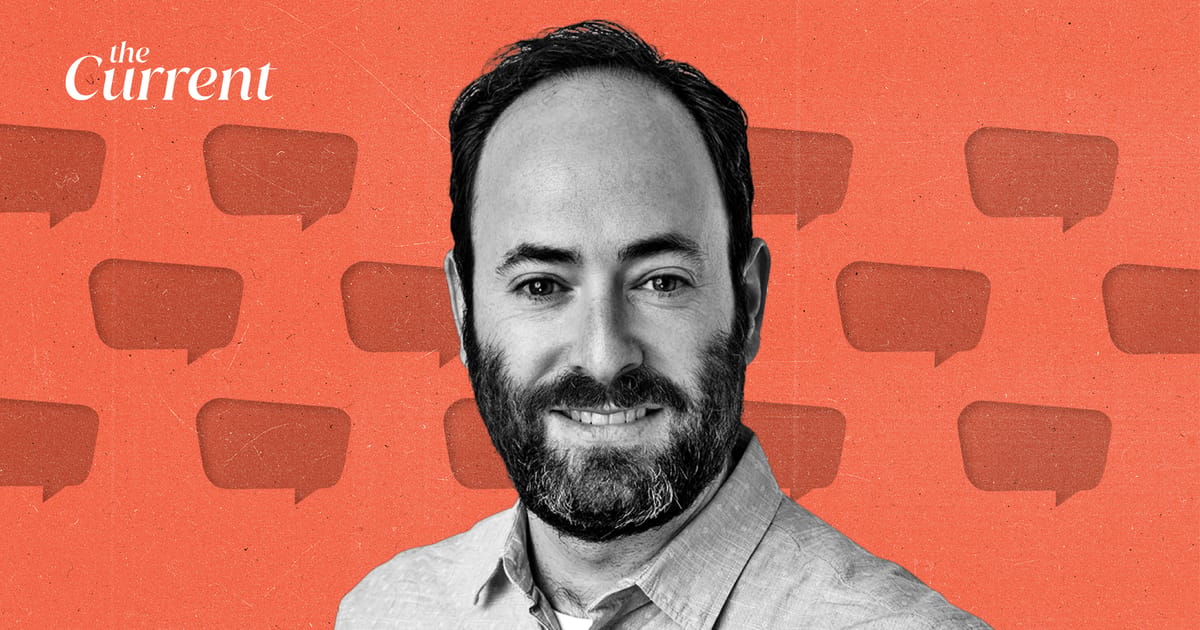
The Trade Desk's Rob Hazan discusses the industry shift towards dynamic ad podding in streaming TV advertising. This programmatic approach aims to improve efficiency by allowing buyers and sellers to transact on entire ad breaks rather than fragmented individual impressions. The company is advocating for the adoption of podding and transaction IDs to reduce ad duplication and compute costs, with an expected acceleration starting August 31.
Key Takeaways
- OpenRTB 2.6 formalized podding support in 2022, but adoption lagged because streaming workflows were built around single impressions.
- Hazan says a 90-second ad pod can be filled with combinations like one 60-second ad plus one 30-second ad, or three 30-second ads.
- Starting Aug. 31, The Trade Desk expects long-form video ad breaks to be expressed via Dynamic Ad Pods with Transaction ID.
- Hazan said processing one request for 12 bid requests in a single ad break lowers compute costs across the supply chain.
- Transaction IDs are meant to measure duplicated pod requests in aggregate, not drive impression-level bidding decisions.
Why It Matters
The immediate effect is a cleaner transaction model for long-form streaming TV: buyers can evaluate the full ad break, and The Trade Desk says its valuation systems will favor Dynamic Ad Pods with Transaction ID over fanned-out single-impression requests starting Aug. 31. That matters because the article frames duplication as both a compute-cost problem and a source of distorted scarcity signals. The ecosystem angle is broad: ad servers, SSPs and exchanges have largely aligned around podding, while OpenRTB 2.6 has supported it since 2022. The key signal to watch is whether supply paths actually move toward one request per ad break, as Hazan described.
Read full article at thecurrent.com