

Google expands SynthID and C2PA checks across Search, Gemini, Chrome
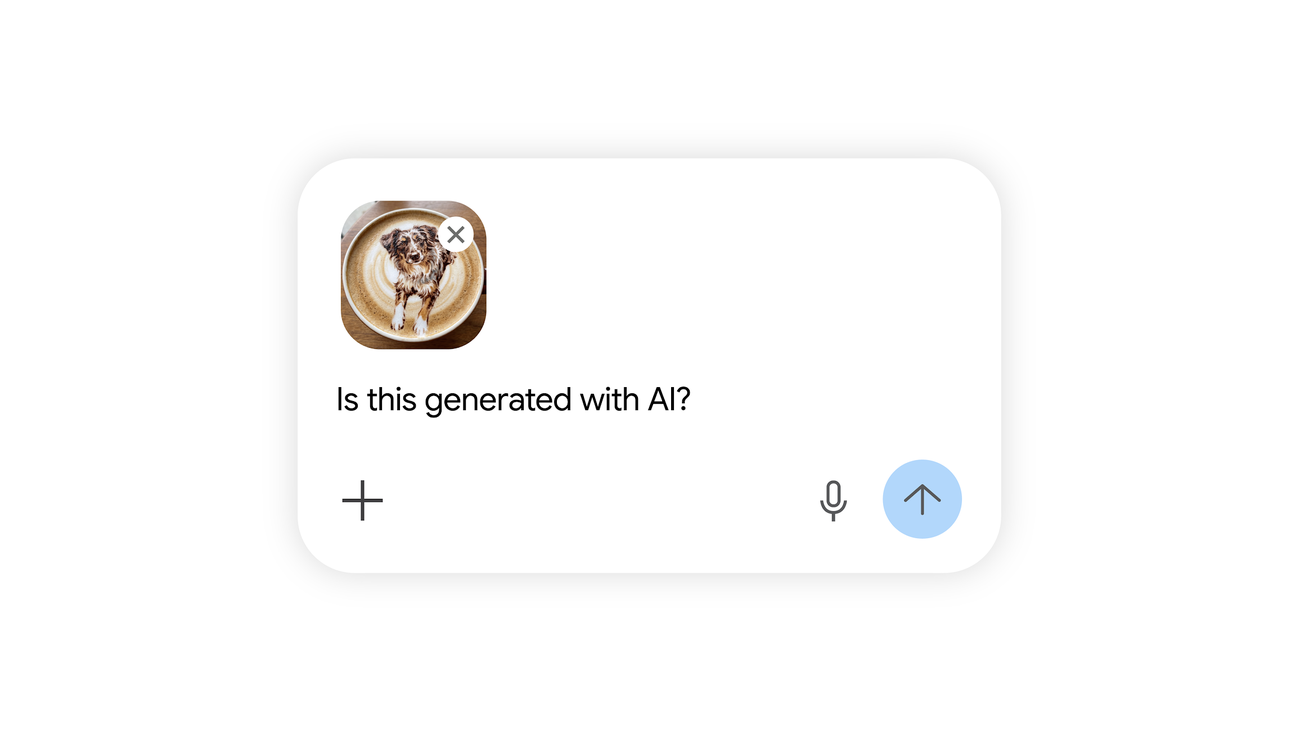
Google is expanding its content transparency and verification tools, integrating SynthID watermarking and C2PA Content Credentials across products like Search, Gemini, Chrome, and Pixel to help users identify AI-generated or altered media. The company is also deepening industry partnerships, with companies like OpenAI and ElevenLabs adopting SynthID, and launching an AI Content Detection API for businesses via Google Cloud's Gemini Enterprise Agent Platform.
Key Takeaways
- SynthID has watermarking coverage across more than 100 billion images and videos, plus 60,000 years of audio.
- Gemini app verification for image, video, and audio has already been used 50 million times globally.
- Pixel 10 was the first smartphone to provide C2PA Content Credentials in its native camera app, and Pixel 8, 9, and 10 will add video support in the coming weeks.
- OpenAI, Kakao, and ElevenLabs are bringing SynthID to more of their AI-generated content.
- Google Cloud is launching an AI Content Detection API on the Gemini Enterprise Agent Platform for businesses to spot AI content from Google and other models.
Why It Matters
Google is moving provenance tools from a niche feature into core surfaces: Search, Gemini, Chrome, Pixel, and Cloud. That gives users and businesses two checks — SynthID for AI-generated media and C2PA Content Credentials for origin and edits — while tying the system to real distribution points and capture devices. The broader signal is ecosystem adoption, with OpenAI, Kakao, ElevenLabs, NVIDIA, YouTube, and Meta all named in the rollout. Next to watch: the Search and Chrome verification launches, plus the AI Content Detection API’s first trusted partners.
Read full article at blog.google