

Virtual Production Reduces Risk, Cuts Costs; Skills Gap Limits Wider Adoption
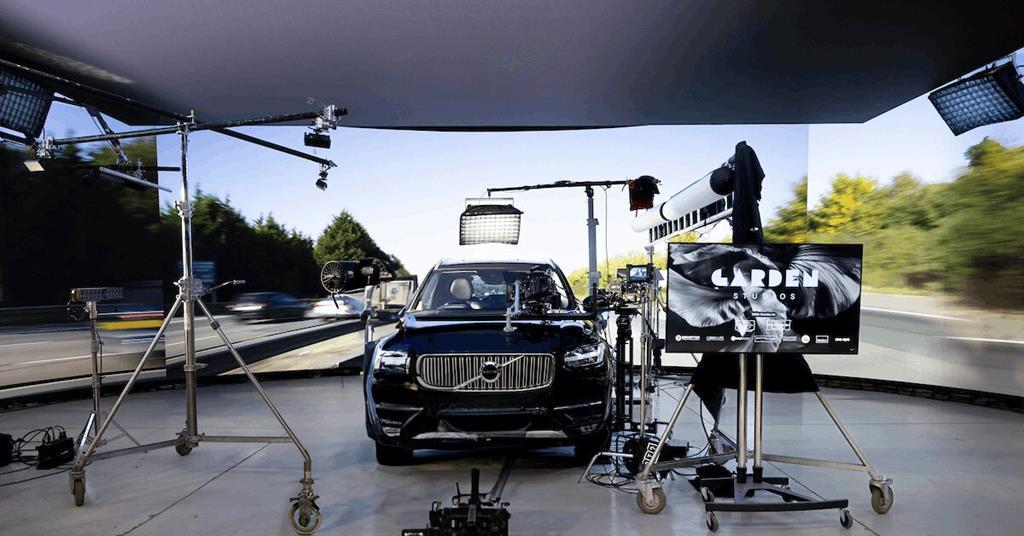
Virtual production (VP) has become a critical technique in high-end TV and feature films, particularly for simulated travel, offering cost savings and efficiency over traditional methods. Despite initial high costs and a knowledge gap in crews, VP reduces risk and production time, making it increasingly essential for streaming industry professionals. The industry faces challenges in scaling due to a shortage of experienced VP technicians, specifically in areas like image processing, color pipelines, camera tracking, and system infrastructure.
Key Takeaways
- VP use in HETV and feature films is widespread for simulated driving scenes, due to speed and ease of execution.
- FX's series 'Snowfall' saved up to US$49,000 per episode by using VP to reduce transportation and crew costs.
- A knowledge and experience gap among technical crews, notably in image processing, color pipelines, and camera tracking, limits VP scalability.
- Universities are increasingly teaching VP and building small volumes, aiming to address critical skills shortages.
Why It Matters
VP has established itself as an essential tool in high-end content production, offering financial and logistical advantages over traditional methods. Its current high day rates are offset by significant gains in efficiency, risk reduction, and overall shortened production schedules. However, the industry's ability to fully capitalize on VP's potential hinges on expanding the pool of specialized technicians, impacting studios' flexibility and cost scaling. Watch for continued investment in VP training programs and the emergence of more comprehensive, multi-disciplinary VP service providers as critical indicators of growth.
Read full article at broadcastnow.co.uk