

Hybrid Remote Production: The New Default for Live Broadcast
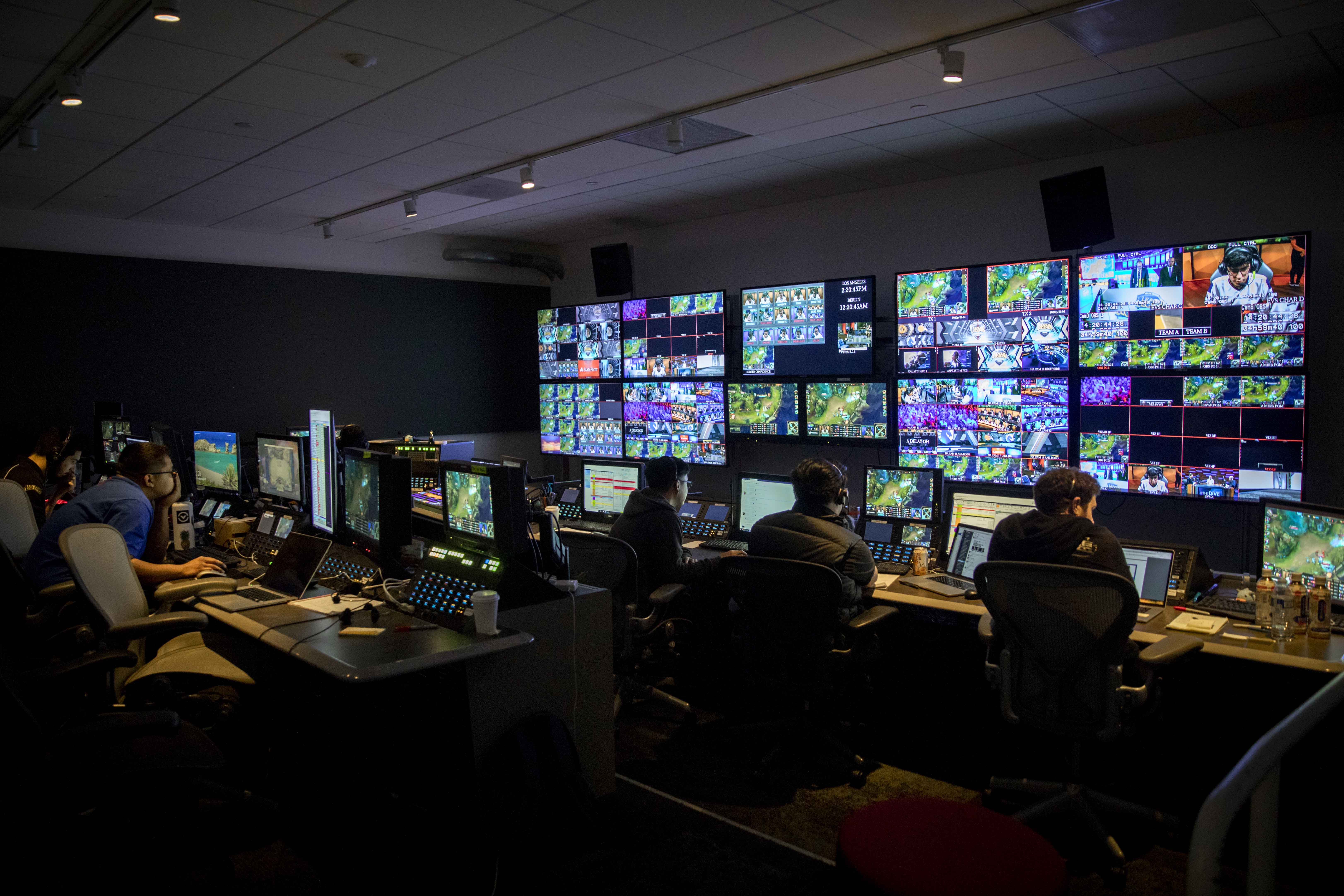
The article examines the shift from traditional on-site OB-based live production to hybrid remote models that separate capture from control and increasingly use IP and cloud-based infrastructure. It outlines the economic drivers, latency and IP-transition challenges, and describes how hybrid on-prem/cloud architectures and orchestration are becoming the default for live sports and event production. The focus is on how these workflows enable greater scalability, flexibility, and cost-efficiency for multi-platform live broadcasting.
Key Takeaways
- Separation of capture and control enables one production team to support multiple events per day, drastically lowering per-event costs.
- Hybrid on‑premise + cloud deployments, not full cloud rip‑outs, are the prevailing model due to latency, predictability, and cost constraints.
- Latency (glass‑to‑glass) and the SDI→IP transition are solvable design factors—broadcasters with clear latency budgets and orchestration will win.
- Orchestration and software‑defined media services are the strategic battleground for vendors: control-plane platforms will determine operational efficiency and scale.
Why It Matters
Live sports and events remain the last mass-audience leverage point for broadcasters—and hybrid remote production is the operational answer to scaling those properties profitably. This shift remaps capital and labor: fewer trucks and travel, more centralised expertise, and an appetite for software orchestration that allocates compute, routing, and personnel across venues. For rights holders, vendors, and platform investors, the implication is clear—bet on control‑plane software, low‑latency IP stacks, and hybrid deployment patterns. Fail to invest in orchestration, standards, and latency engineering and you’ll lose margin, market share, or both as the industry standardizes on hybrid remote workflows.
Read full article at tvbeurope.com