

Dolby sues TPV at UPC in first European AV1 patent test
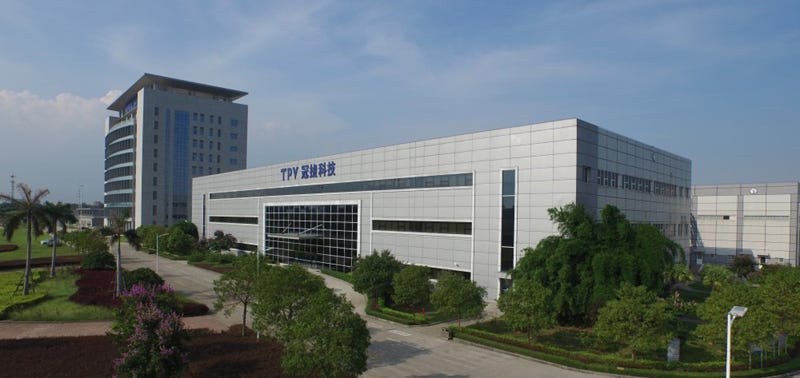
Dolby has filed its first patent infringement lawsuit in Europe's Unified Patent Court against TPV Technology subsidiaries, alleging infringement of an AV1 standard-essential patent formerly owned by GE. This litigation, targeting TPV's Philips-branded TV manufacturing, highlights growing legal challenges to the "royalty-free" positioning of the AV1 video codec.
Key Takeaways
- Dolby asserts European Patent EP2721819, an entropy coding asset acquired from GE Video Compression in 2024.
- The lawsuit targets TP Vision Europe and TPV Displays Polska, which manufacture and sell Philips-branded TVs.
- The asserted patent is part of Sisvel’s AV1 patent pool, despite AV1 being marketed as a royalty-free codec.
- Dolby is seeking injunctive relief, signaling it has made no FRAND or royalty-free commitments regarding AV1.
Why It Matters
This case marks the critical arrival of AV1 patent enforcement in Europe’s Unified Patent Court, threatening the cost-free assumptions that drove the codec’s massive adoption. By targeting TPV’s high-volume manufacturing plant in Poland, Dolby is exerting direct pressure on the hardware ecosystem required for AV1’s growth. If Dolby successfully secures an injunction, it would confirm that standard-essential patents from non-AOM members can effectively override the codec’s royalty-free status. Following similar actions against Snap and Skyworth, this litigation forces a choice for implementers: pay licensing fees to patent pools like Sisvel or risk exclusion from major European markets. Watch for whether TPV settles quickly, as nine of Dolby’s previous ten UPC cases ended in settlement.
Additional Context
The litigation against TPV arrives as the Unified Patent Court (UPC) becomes a central battleground for streaming video technology. On June 16, 2026, the Mannheim Local Division of the UPC issued a landmark injunction against Disney, ruling that Disney+ infringed an InterDigital HEVC patent across 11 EU countries. Crucially, as reported by StockTitan and Morningstar in June 2026, the court determined that encoding patents like the one in the Disney case are not part of the de jure standard and thus are not subject to FRAND (Fair, Reasonable, and Non-Discriminatory) licensing obligations. This legal precedent provides a significant tailwind for Dolby, as it seeks to enforce patents without the pricing constraints typically enforced by standard-setting organizations. While Dolby enforces its rights, the AV1 codec has already reached critical mass. Per Free-Codecs in January 2026, Netflix confirmed that AV1 accounts for approximately 30% of its traffic, making it the platform's second-most used codec. Additionally, 88% of large-screen devices submitted for Netflix certification between 2021 and 2025 now support native AV1 playback. Despite this technical dominance, the commercial landscape is shifting. Sisvel announced in July 2025 that its AV1 pool had already licensed roughly 50% of the finished-product AV1 device market, including major TV and set-top box manufacturers. The industry's pivot toward AV1 was fueled by a desire to avoid the licensing complexity of HEVC, yet the emergence of the Access Advance Video Distribution (VDP) pool in January 2025 and ongoing litigation indicate that royalty-free status was always aspirational rather than absolute. With the Alliance for Open Media planning its successor, AV2, by the end of 2025, the outcome of the Dolby vs. TPV case will likely define whether future standards can truly remain outside the reach of traditional patent licensing fees.
Read full article at michael7924.substack.com