

UK government mandates blanket social media ban for users under 16
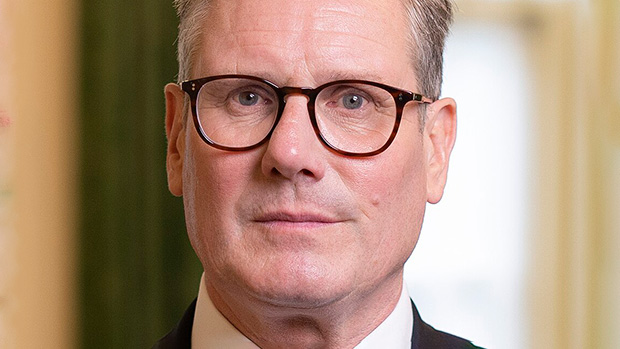
The UK government has announced plans to ban social media usage for individuals under 16 years old, including platforms like YouTube, Snapchat, and TikTok. Legislation is expected by Christmas and enforcement by spring 2027, with the move justified by concerns over child protection and platform failures. The regulations will go further than similar Australian rules, extending to livestreaming, stranger communication, and gaming sites for under-16s, and setting default restrictions for 16- and 17-year-olds.
Key Takeaways
- Platforms affected include YouTube, Snapchat, TikTok, Instagram, Facebook, and X, but exclude WhatsApp and Signal.
- Legislation extends beyond social media to livestreaming and stranger communication on gaming sites and AI chatbots.
- Default restrictions on livestreaming and stranger contact will apply to 16- and 17-year-olds to prevent a cliff-edge effect.
- The government is evaluating overnight curfews and mandatory breaks in infinite scrolling for all users under 18.
- Enforcement responsibility lies with Ofcom, with formal legislation and implementation timelines targeting a spring 2027 start.
Why It Matters
The UK's decision to include YouTube and gaming platforms in its age-restriction mandate creates a significant compliance hurdle for video and interactive services. By categorizing YouTube as a 'user-to-user' platform rather than a pure content host, the government forces major shifts in identity management and feature access for millions of users. This regulatory expansion signifies a pivot from content moderation to total access control, potentially fragmenting the global teen user base. Strategists should watch for the technical specifics of 'Highly Effective Age Assurance' (HEAA) methods Ofcom identifies in October 2026, which will dictate how platforms must verify user ages without compromising privacy.
Additional Context
The UK's 'Australia plus' model follows the lead of Australia, which passed the Online Safety Amendment in late 2024. According to Commonwealth infrastructure documents from July 2025, the Australian framework requires platforms to take 'reasonable steps' to prevent under-16s from holding accounts, carrying potential corporate fines of up to A$49.5 million. While the Australian ban officially took effect on December 10, 2025, early implementation reports indicated challenges; per Mishcon de Reya in June 2026, research suggested more than 60% of underage Australian users still accessed restricted platforms four months post-implementation. This legislative trend is gaining momentum across the European Union. In November 2025, the European Parliament passed a non-binding resolution calling for a harmonized EU-wide minimum age of 16 for social media and video-sharing platforms. Per EU Perspectives, this resolution proposed that while 13- to 16-year-olds could access services with parental consent, those under 13 should be entirely prohibited. Member states like France and Spain have also advanced national bills; France’s National Assembly approved measures in January 2026 to ban children under 15 from social media, citing concerns over mental health and digital addiction. Simultaneously, the UK’s existing Online Safety Act (OSA) has already reached significant milestones. According to a December 2025 report from CMS Law, 2025 was the year the OSA moved into sustained regulatory action, with Ofcom issuing its first major fine of over £1 million. The new under-16 ban will build upon the OSA framework, using secondary legislation under the Children's Wellbeing and Schools Act 2026. Ofcom has signaled it will provide the government with a review of appropriate age verification methods by October 2026 to ensure the ban is technically enforceable by the spring 2027 deadline.
Read full article at c21media.net