

Location Collective offers cost-focused studio packages for UK TV producers
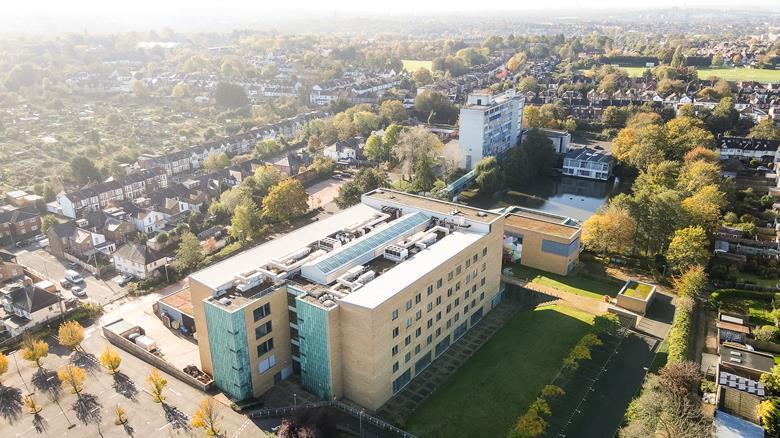
Location Collective and its OMA Studio Group offer cost-effective production spaces and filming locations in the UK for film and TV producers, aiming to reduce expenditure for ambitious projects. They provide flexible options, from multi-site production hubs to backlots, and boast high-spec soundstages and sustainable practices. The company has worked with clients like Universal Pictures and Apple TV.
Key Takeaways
- OMA Studio Group operates 13 high-spec soundstages and 480,000 square feet of production space across London.
- The 2-million-square-foot Ivinghoe Backlot hosted set builds for Universal Pictures’ Wicked features and Apple TV’s Silo.
- Producers reported savings of £25,000 per soundstage per week at OMA compared to traditional facilities due to pass-through utility rates.
- OMA Studio Group achieved a 'very good' sustainability rating in the 2025 BAFTA Albert Studio Sustainability Standard.
- Award-winning locations such as Ravenscourt Park Hospital have supported high-profile credits including Spider-Man: Brand New Day and F1: The Movie.
Why It Matters
The focus on cost-efficient production infrastructure addresses a critical shift as streamers and broadcasters prioritize fiscal discipline over pure scale. As global production volume normalizes, facilities that provide transparent pricing and flexible 'off-campus' hubs become competitive differentiators for London against other filming hubs. This hybrid model allows producers to maximize front-of-camera spend at a time when traditional linear revenues are thinning and production costs remain elevated. Industry stakeholders should monitor whether OMA’s open supplier policy — allowing producers to negotiate directly with kit providers — forces larger, vertically integrated studios to adjust their legacy exclusivity models to retain mid-budget projects.
Additional Context
The UK production sector is operating in a polarized environment characterized by record-high inward investment and a struggling domestic independent tier. According to BFI statistics released in February 2026, film and high-end TV (HETV) spend reached £6.8 billion in 2025, a 22% increase over 2024. However, approximately 85% of this total was fueled by major international projects from Hollywood studios and streamers, with domestic UK film spending representing only a fraction of the record-breaking figures. This divergence has led to the introduction of the Independent Film Tax Credit (IFTC) in late 2024, providing a 53% relief rate for projects with budgets under £15 million to ensure the local industry remains viable alongside massive tentpole productions like Avengers: Doomsday. Sustainability has simultaneously transitioned from an operational bonus to a primary procurement requirement. Per the BAFTA Albert 'Accelerate 2025' report published in November 2025, the UK screen industry produces nearly 175,000 tonnes of CO2 annually. This data-driven pressure has led to the Studio Sustainability Standard, where OMA Studio Group and 21 other facilities achieved 'Very Good' or higher classifications in the 2025/26 cohort, according to Albert. As the property market shifts, some developers are pivoting from dedicated film studios to AI datacenters, with The Guardian reporting in May 2026 that even Pinewood Studios received permission to convert a significant portion of its planned expansion into tech infrastructure. This trend places a premium on established, efficient providers like Location Collective who can maintain high occupancy through diverse, value-driven site portfolios.
Read full article at broadcastnow.co.uk