

Adtelligent identifies 20 influential voices steering adtech strategy in 2026
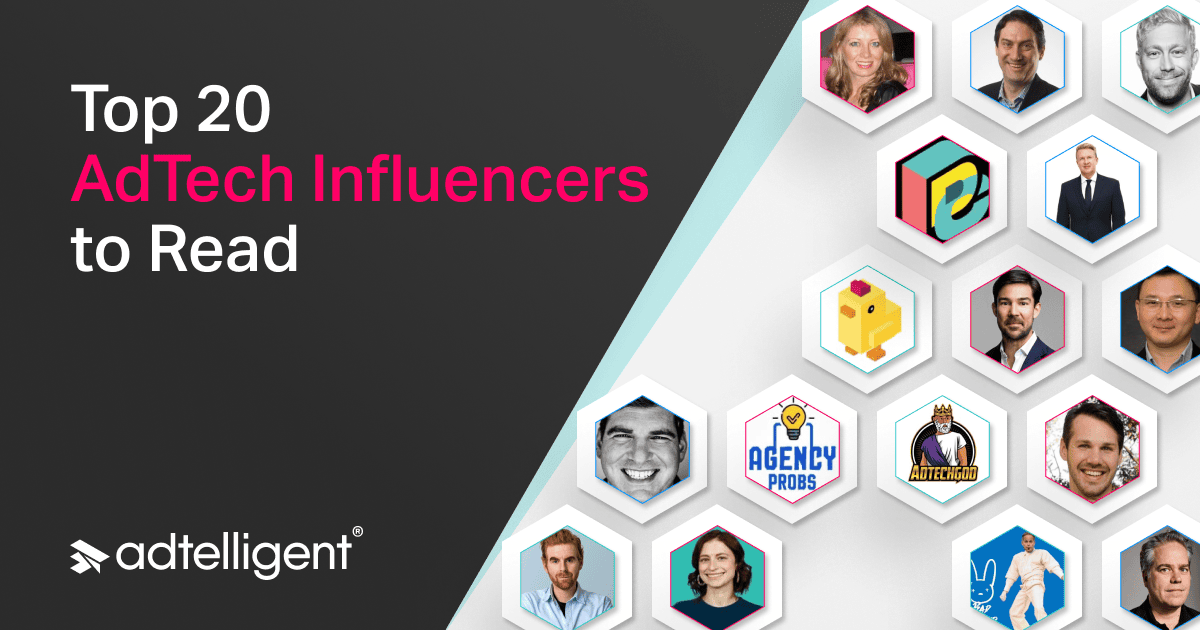
Adtelligent compiled a list of 20 influential ad-tech voices to follow in 2026, including CEOs, analysts, and social media accounts. These individuals are recognized for shaping discussions around privacy, AI automation, and monetization models in CTV and retail media. The list highlights key figures from companies like The Trade Desk and Google, as well as independent analysts and meme creators.
Key Takeaways
- Jeff Green (The Trade Desk) and Paul Gubbins (Google) cited as primary advocates for open programmatic and CTV innovation
- Independent analysts like Eric Seufert and Ari Paparo are driving the discourse on signal loss and supply path optimization
- Scope3 CEO Brian O’Kelley is leading technical development for AI agents to execute automated advertising transactions
- Industry standard-setters like IAB Tech Lab remain critical for establishing protocols like OpenRTB and sellers.json
- Cultural influence has shifted toward accounts like AdTech God and Digital Chadvertising for real-time market sentiment
Why It Matters
Identifying the individuals shaping adtech policy is essential for streaming executives navigating the shift from traditional programmatic to agentic, AI-led ecosystems. These influencers are effectively defining the 'rules of engagement' for CTV monetization and privacy-safe identity solutions in 2026. As premium video spend continues to migrate toward the open web, the strategies championed by these leaders will determine how platforms maintain signal and transaction efficiency while combatting rising AI-driven fraud. Success increasingly depends on tracking these strategic shifts rather than just following historical spend patterns. Watch for alignment between these voices and upcoming IAB Tech Lab certifications for agentic framework interoperability in Q3.
Additional Context
The emphasis on industry leadership arrives as the sector faces a technical fundamentalist period. Per IAB Tech Lab in May 2026, the organization recently opened its CTV Ad Portfolio signaling updates for public comment to standardize formats like Pause and Menu ads. This move aims to replace manual workflows with programmatic automation, specifically targeting the $38 billion U.S. CTV market projected for late 2026. Furthermore, the introduction of the Open Measurement SDK with Device Attestation across Samsung and LG platforms reflects an urgent push to eliminate device spoofing, which remains a core friction point for premium streamers. Simultaneously, the 'agentic shift' described by Scope3 and The Trade Desk is moving into live execution. Per Scope3 reporting in April 2026, 66% of brands have increased focus on agentic AI to manage campaign logic, seeking to bypass the latency of traditional Real-Time Bidding (RTB). However, this evolution faces scrutiny over fragmentation; industry analysts from LUMA Partners noted in June 2026 that while AI agents improve efficiency, they also introduce a 'complexity tax' where multiple competing standards, such as AdCP and ARTF, temporarily confuse buy-side adoption. Quality and transparency also dominate the current executive agenda. According to a DoubleVerify Global Insights report from May 2026, AI-fueled fraud schemes in CTV jumped 140% year-over-year in Q1. This spike has led to increased demand for the specific oversight provided by fraud analysts like Dr. Augustine Fou. With Truthset reporting that nearly 40% of open-market CTV spend is currently wasted on inaccurate identity data, the technical advocacy of the listed influencers is transitioning from theoretical innovation to a necessary defensive layer for streaming profitability.
Read full article at adtelligent.com